
I was sitting in a cramped, humid corner of a night market in Hanoi, staring at a bowl of steaming pho that I couldn’t bring myself to touch. The scent of star anise and charred ginger—usually my favorite thing in the world—suddenly felt suffocating. I had spent the last three weeks sprinting from one landmark to the next, checking boxes like I was completing a grocery list rather than actually living. That was the exact moment I realized I wasn’t just tired; I was experiencing a profound sense of travel burnout that no amount of “authentic experiences” could fix.
I’m not here to tell you to book a luxury wellness retreat or buy a specialized meditation app to “fix” your wanderlust. Instead, I want to talk about how we lose ourselves in the pursuit of the perfect itinerary. I promise to share some honest, unfiltered lessons I’ve learned about slowing down, finding stillness in a crowded kitchen, and learning when to stop chasing the horizon so you can actually enjoy the view.
Table of Contents
- Whispers of Fatigue the Quiet Signs of Travel Exhaustion
- The Weight of Crowds Overtourism Mental Impact and Loss of Joy
- Finding My Center Again: Five Ways to Reclaim the Joy of the Journey
- Reclaiming the Joy of the Journey
- The Cost of Chasing Every Sunset
- Finding Your Way Back to the Table
- Frequently Asked Questions
Whispers of Fatigue the Quiet Signs of Travel Exhaustion
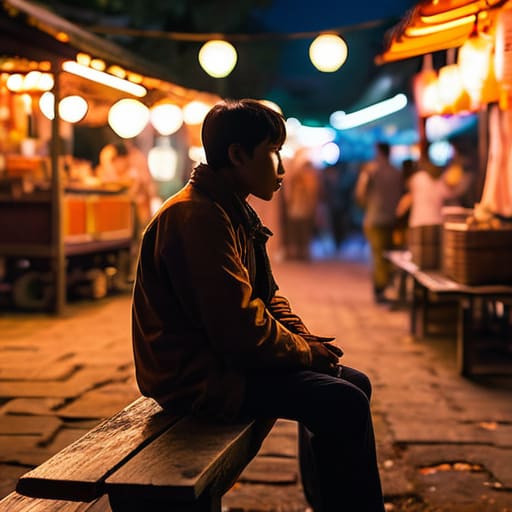
It usually doesn’t start with a dramatic breakdown or a missed flight. Instead, it’s much more subtle—a creeping sense of detachment that settles in while you’re standing in line for a famous monument. You might find yourself staring at a breathtaking sunset and feeling… nothing. Or perhaps you’re sitting in a bustling night market, surrounded by the scents of lemongrass and toasted chilies that used to excite you, but now they just feel loud. These are the quiet signs of travel exhaustion that we often ignore because we feel guilty for not being “on” every second of the trip.
I’ve noticed that when I start rushing through meals just to check another museum off my list, my brain starts to fog. It’s a heavy, mental weight that makes every decision—even just choosing which street to turn down—feel monumental. We often talk about the physical toll, but the overtourism mental impact is just as real; it’s the exhaustion of navigating crowds and performative spaces when your soul is actually craving a quiet corner and a simple bowl of noodles.
The Weight of Crowds Overtourism Mental Impact and Loss of Joy
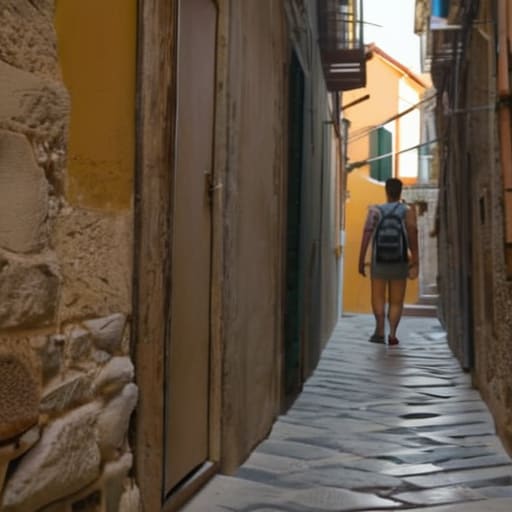
There is a specific kind of heaviness that settles in when you realize you aren’t looking at a city anymore, but rather at the back of a thousand other people’s heads. I remember standing in a narrow alleyway in Venice last spring, surrounded by a sea of selfie sticks and tour groups, and feeling a sudden, sharp pang of resentment. It wasn’t just the noise; it was the realization that the soul of the place felt buried under the sheer volume of people. This is the overtourism mental impact that no guidebook warns you about—the way a destination can start to feel less like a discovery and more like a battlefield for space.
When every “hidden gem” has been geotagged into oblivion, the joy of wandering begins to evaporate. You find yourself checking your watch, calculating how much longer you have to endure the crowd before you can find a moment of peace. It’s exhausting to constantly negotiate for a sliver of quiet. This is where I start to lean into mindful travel practices, intentionally stepping away from the landmarks to find the small, residential streets where the air smells of laundry and toasted bread instead of sunscreen and diesel.
Finding My Center Again: Five Ways to Reclaim the Joy of the Journey
- Embrace the art of the “do nothing” day. I used to feel guilty if I wasn’t crossing a landmark off a list, but I’ve learned that sitting in a sun-drenched corner of a local park for three hours is just as vital as visiting a museum.
- Follow your nose, not your GPS. When the digital maps start feeling like a chore, put the phone away. Let the scent of roasting garlic or fresh jasmine lead you down a side street; it reconnects you to the sensory reality of where you actually are.
- Seek out the kitchen, not the monument. When the world feels too loud and the crowds too thick, find a small, family-run bistro. There is something incredibly grounding about watching a chef work with seasonal ingredients; it reminds you that life is meant to be tasted, not just viewed.
- Curate your social battery. You don’t have to say yes to every group dinner or guided tour. Sometimes, the best way to combat exhaustion is to retreat to your room with a notebook and a quiet cup of tea, letting the city hum outside your window.
- Limit your “must-sees” to one per day. The pressure to see everything is the fastest route to feeling nothing. By choosing just one meaningful encounter, you leave room for the unplanned, quiet magic that actually makes travel feel like living.
Reclaiming the Joy of the Journey
Stop treating your itinerary like a checklist; if a museum feels overwhelming, skip it and find a quiet corner in a local bakery instead.
Listen to your body’s subtle cues—the moment the “adventure” starts feeling like a chore is your signal to slow down and stay in one place longer.
Seek out the sensory, not just the visual; grounding yourself in the smell of a spice market or the warmth of a shared meal can pull you out of a travel haze.
The Cost of Chasing Every Sunset
We tell ourselves we’re exploring, but sometimes we’re just performing—checking boxes and racing through crowds until the very thing that was supposed to set us free starts to feel like just another item on a heavy, never-ending to-do list.
Anouk Verhoeven
Finding Your Way Back to the Table
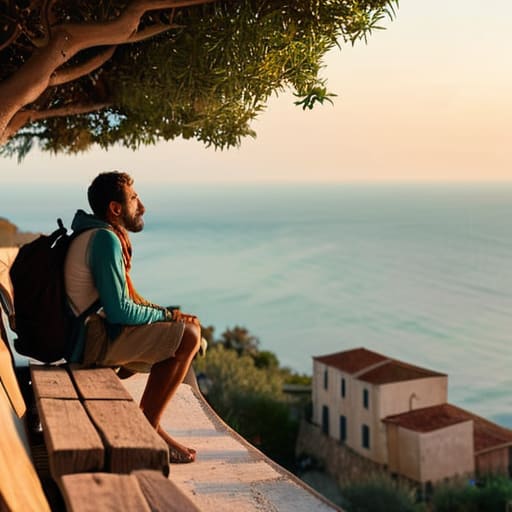
At the end of the day, burnout isn’t a sign that you’ve failed at traveling; it’s just your body’s way of telling you that you’ve stopped being a participant and started being a spectator. We’ve looked at how the constant noise of crowds and that heavy, creeping fatigue can strip the color from even the most beautiful landscapes. If you find yourself checking off landmarks like a grocery list instead of actually tasting the air, it’s time to pause. Recognizing these signs—the irritability, the mental fog, the loss of wonder—is the first step toward reclaiming the joy that brought you to these streets in the first place.
So, my advice is simple: next time you feel that weight settling in your chest, stop moving. Put down the map, find a small, unremarkable cafe, and just sit. Watch how the light hits the floor or how the locals interact over their morning espresso. Travel shouldn’t be a race to see everything; it should be a slow, intentional way to feel everything. Let yourself be bored, let yourself be still, and remember that the most profound discoveries rarely happen when you’re rushing toward the next monument, but rather when you finally give yourself permission to simply exist in a new place.
Frequently Asked Questions
How can I tell if I'm actually burnt out or if I'm just having a bad day in a new city?
It’s a fine line, isn’t it? If it’s just a bad day, you usually feel a sense of relief when you finally crawl into bed. You think, “Tomorrow will be better.” But burnout feels heavier. It’s that hollow sensation where even the most incredible street food smells dull, or a sunset that should move you just feels like more “content” you have to process. If the wonder has turned into a chore, listen to that.
Is there a way to keep traveling without feeling like I'm constantly running on empty?
The secret isn’t in doing more; it’s in doing less, but more deeply. I’ve learned to stop treating my itinerary like a checklist and start treating it like a conversation. Instead of hitting five landmarks in a day, I’ll spend three hours in a single neighborhood café, just watching the light change and smelling the roasting coffee. Travel shouldn’t be a race to see everything; it should be a slow immersion into being somewhere.
How do I explain to my travel companions that I need to slow down without feeling like I'm ruining the trip?
I’ve been there—standing in a bustling plaza, feeling completely hollow while everyone else is buzzing with excitement. Honestly, the best way is to lead with vulnerability rather than a list of complaints. Try saying, “I’m hitting a bit of a wall and want to actually soak this place in, rather than just checking boxes. Would you mind if I spent this afternoon in a quiet cafe while you explore?” It’s not about ruining the trip; it’s about preserving your ability to enjoy it.
