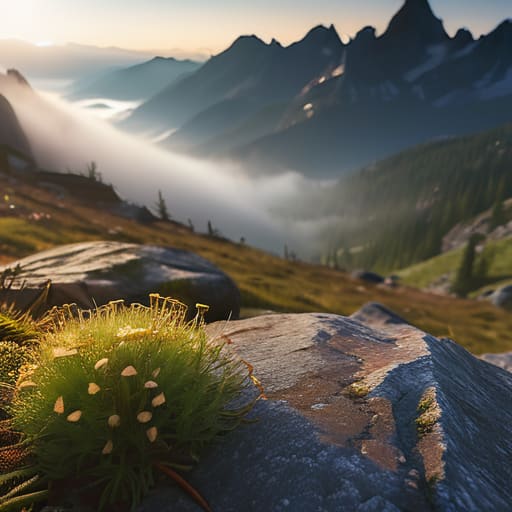
I can still smell the damp cedar and woodsmoke from that tiny kitchen in the Pyrenees, where the wind was howling so loud I could barely hear my own thoughts. I wasn’t there for the sweeping panoramic views or the expensive, gear-heavy expeditions that most guidebooks obsess over; I was there because I followed the scent of slow-simmering lentil stew and crusty bread. Most people think traveling to mountains is about conquering summits or checking off famous peaks, but for me, it’s always been about the quiet, heavy stillness that settles in the valleys when the sun dips behind the crags.
I’m not here to sell you on the latest high-tech hiking boots or the most Instagrammable viewpoints that require a three-hour queue. Instead, I want to show you how to find the actual heartbeat of these high altitudes. I’ll be sharing the kind of honest, unpolished advice I wish I’d had: the best way to find a warm hearth in a remote village, how to eat well when you’re miles from a supermarket, and how to truly connect with the landscape through its flavors and its people.
Table of Contents
Highland Adventure Activities and the Spirit of the Soil
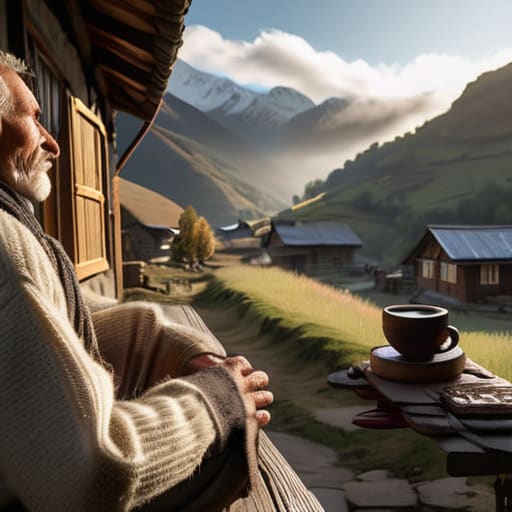
When I think about highland adventure activities, my mind doesn’t immediately jump to adrenaline-fueled treks or conquering peaks. Instead, I find myself drawn to the slower rhythm of the trails—the way the air thins and the world seems to quiet down. I’ve learned the hard way that the most rewarding way to experience these heights is to respect the pace of the land. This means prioritizing acclimatization tips for high altitude over a frantic itinerary; sitting with a cup of herbal tea in a village square for two days is often more productive than any summit attempt.
There is a specific kind of preparation that goes into these journeys, a quiet ritual of checking your gear. For me, it’s about the tactile reality of my mountain hiking essentials, like the weight of a sturdy pair of boots or the reliable snap of a compass. It isn’t just about survival; it’s about being present enough to notice how the scent of damp pine needles changes as you climb. When you pack with intention, you aren’t just preparing for the weather—you are preparing to actually inhabit the landscape.
Acclimatization Tips for High Altitude and Slow Living
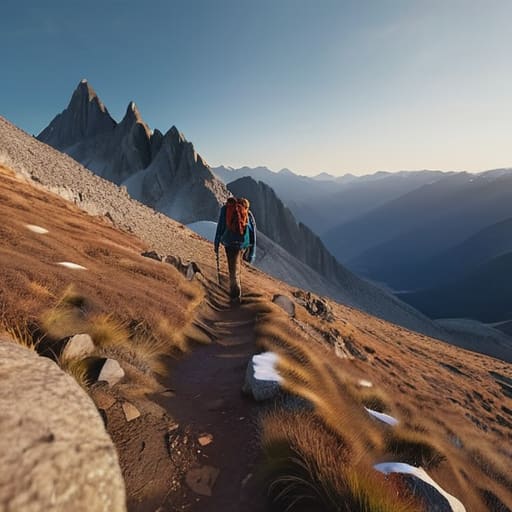
There is a specific kind of rhythm you have to adopt when the air starts to thin. In my early twenties, I used to rush toward every peak, fueled by caffeine and adrenaline, only to find myself gasping for breath halfway up a trail. Now, I’ve learned that the mountains demand a slower, more respectful pace. One of my most important acclimatization tips for high altitude is to embrace the “climb high, sleep low” philosophy. It sounds counterintuitive, but giving your body a chance to adjust while you’re still at a lower elevation makes the entire journey feel less like a struggle and more like a dance.
I also find that staying hydrated is about more than just carrying a water bladder; it’s about the ritual of it. I always keep a thermos of warm herbal tea close by, which helps with both hydration and the creeping chill of the evening. When it comes to packing for alpine climates, don’t just think about heavy down jackets. Focus on layers that breathe, so you aren’t sweating through your base layer during a steep ascent only to freeze the moment you stop for a snack. Taking it slow isn’t just about safety; it’s how you actually taste the air.
Small Comforts and Heavy Packs: My Essentials for the Ascent
- Pack for the microclimates. One minute you’re sweating through a steep climb, and the next, a mountain mist is chilling you to the bone. I never leave without a lightweight, high-quality wool layer—it’s the only thing that actually works when the temperature drops without warning.
- Carry a physical journal and a decent pen. There’s something about the thin, crisp air that makes digital screens feel jarringly artificial. I find that sitting on a stone wall and writing down the scent of damp pine or the sound of a distant goat bell helps me actually process the scale of the landscape.
- Prioritize local pantry staples over processed energy bars. While those neon-colored gel packs are convenient, nothing fuels a mountain trek like a handful of dried local fruits or a piece of hard, aged cheese from a village market. It keeps you connected to the soil you’re walking on.
- Learn the rhythm of the village, not just the map of the trail. If you arrive in a mountain hamlet, don’t just rush to the trailhead. Spend an hour in the local bakery or the small cafe. Understanding when the community eats and how they rest will teach you more about the terrain than any GPS ever could.
- Invest in footwear that has already been broken in. There is nothing more soul-crushing than a blister halfway up a ridge. I’ve learned the hard way that “new” and “comfortable” rarely go together in the mountains; your boots should feel like a second skin before you even reach the base camp.
The Heart of the High Country
Don’t rush the climb; the true rhythm of mountain life is found in the slow, deliberate pace of the locals and the way they respect the altitude.
Look past the grand vistas to find the real culture in the small, smoke-filled kitchens where seasonal ingredients define the soul of the village.
Pack for utility, not for show—the best stories are usually uncovered when you’re focused on the sensory details, from the scent of mountain herbs to the warmth of a hearth.
The Flavor of Altitude
We often go to the mountains to find the view, but I find that the real summit is reached when you finally sit down in a wood-smoke scented kitchen, tasting a meal that was grown, harvested, and prepared within the same thin, crisp air you’ve been breathing all day.
Anouk Verhoeven
The Long Way Down
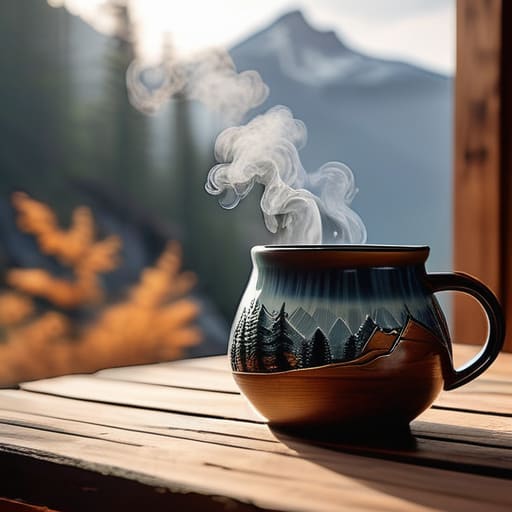
As I pack my camera gear and tuck my notebook away, I’m reminded that mountain travel is never just about the physical climb or the adrenaline of the descent. It’s about the way the thin air forces you to slow your pace, allowing you to actually notice the scent of pine needles dampening in the mist or the warmth of a heavy ceramic mug against your palms. We’ve talked about the necessity of acclimatization and the grit required for highland treks, but the true essence lies in how these landscapes reshape our internal rhythm. When we stop rushing to the summit, we finally start to see the connection between the rugged terrain and the resilient, soulful food that sustains the people living in its shadow.
Ultimately, I hope you leave these peaks with more than just a collection of photos. I hope you carry home a newfound appreciation for the quiet, unhurried moments that happen between the landmarks. Whether it’s a shared meal in a dim mountain hut or the simple silence of a fog-drenched valley, these are the experiences that make a journey feel like living rather than just visiting. Don’t just chase the views; seek the stories hidden in the hearths of the high altitudes. That is where the real mountain magic resides.
Frequently Asked Questions
How do I find authentic local eateries in remote mountain villages without accidentally walking into a tourist trap?
Look for the places where the menu doesn’t exist in English. If you see a group of locals huddled around a communal table, or a grandmother working a heavy iron pot in the corner, you’re in the right spot. I always follow my nose—if a kitchen smells like woodsmoke and simmering garlic rather than deep-fryer oil, stay there. The best meals aren’t advertised; they’re just happening in the quiet spaces between the landmarks.
What are some ways to pack light and functional for mountain living without losing the ability to capture meaningful moments with my analog camera?
I’ve learned the hard way that a heavy bag is the enemy of presence. I stick to a single, well-worn rucksack—everything must be layered and multi-purpose. For my analog setup, I don’t carry the whole kit; I bring one reliable mechanical body and a single prime lens. It forces me to slow down and really see a moment before committing to the frame, rather than fumbling with gear while the light fades.
Beyond the physical climb, how can I better connect with the local traditions and seasonal rhythms of these high-altitude communities?
Stop looking at the peaks and start looking at the market stalls. To truly feel the rhythm of a mountain village, you have to follow the seasons of the soil. Ask the locals what’s currently being harvested or preserved; that’s where the real heartbeat lies. Sit in a small kitchen, watch how they use fire, and listen to the stories told over shared bowls. Connection isn’t found in the ascent, but in the slow, seasonal rituals of eating.
