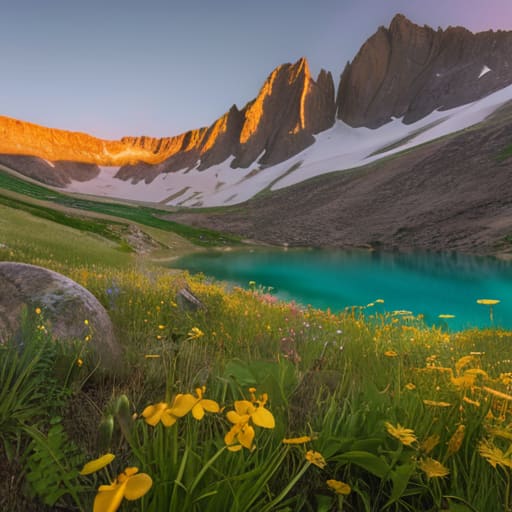
I was standing on a windswept ridge in the Highlands last autumn, clutching a lukewarm thermos and watching a group of tourists scramble over a safety barrier just to snap the exact same photo they’d seen on a thousand Instagram feeds. It struck me then how much we’ve commodified the idea of scenic landscapes; we’ve turned them into mere backdrops for digital validation rather than places to actually be. We chase these curated, postcard-perfect views, often overlooking the quiet, unpolished beauty that exists just a few miles off the paved road.
I’m not here to give you a list of the most “Instagrammable” spots or tell you which expensive viewpoints are worth the entry fee. Instead, I want to show you how to find the real soul of a place—the kind of views that make you put your camera away and just breathe. I’ll be sharing my personal maps to the overlooked corners and the quiet, sensory details that make a landscape feel like a home rather than a destination. We’re going to look past the hype and find the authentic connection between the land and the life it sustains.
Table of Contents
Seeking Breathtaking Mountain Vistas in Quiet Corners
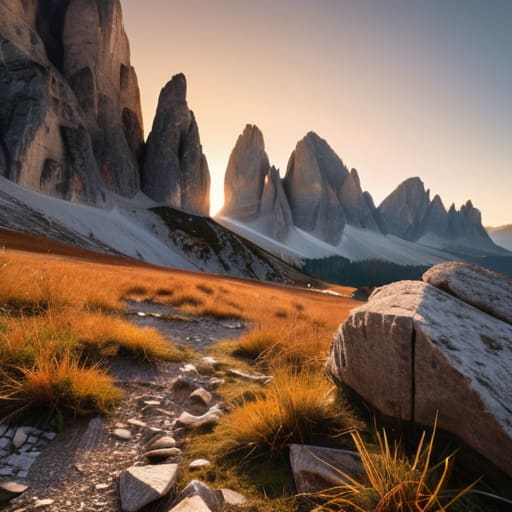
I’ve always found that the most profound sense of scale doesn’t come from standing at a crowded summit, but from the quiet moments spent navigating the approach. Last autumn, while wandering through a lesser-known stretch of the Dolomites, I realized that the best photography locations for landscapes aren’t the ones pinned on every influencer’s map. Instead, they are the tucked-away ridges where the air smells of damp pine and crushed stone. I spent an afternoon perched on a limestone ledge, far from the main tourist arteries, simply watching the light shift across the peaks.
There is a specific kind of stillness you only find when you commit to true wilderness exploration. It’s not about checking a box or conquering a trail; it’s about the way the fog rolls through a valley, momentarily erasing the world below. When you finally break through the cloud line to find those breathtaking mountain vistas waiting for you, it feels less like a view and more like a conversation with the earth itself. I find myself reaching for my notebook, not to sketch the peaks, but to capture that sharp, biting scent of high-altitude snow.
National Park Scenery Without the Crowds
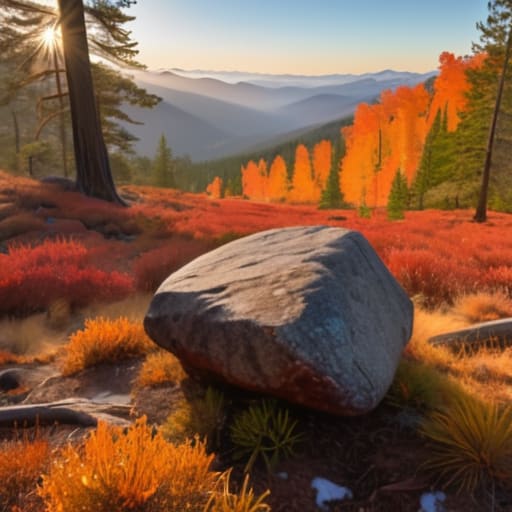
I’ve learned the hard way that the most famous entrance gates to our national parks are often where the magic starts to fade, replaced by idling engines and the hum of a thousand selfie sticks. If you’re looking for true national park scenery, my advice is to look for the “second-tier” parks or the lesser-known boundary zones. Last autumn, I found myself in a corner of a park that most people bypassed on their way to the main canyon, and the silence was almost deafening in the best way possible. There is something deeply grounding about standing in a vast space where the only thing competing for your attention is the wind through the pines.
For those of us who treat wilderness exploration as a way to reset, the goal isn’t just to see a view, but to feel the scale of it. I often find that the best photography locations for landscapes aren’t the ones with the most Instagram tags, but the ones that require a bit of extra grit to reach. I’d much rather spend an hour navigating a dusty, unmapped trail than wait in a queue for a paved overlook. It’s in those quiet, unscripted moments—when you’re miles from the nearest gift shop—that the landscape actually starts to speak to you.
How to actually see the view (without the selfie sticks)
- Pack a small, dedicated notebook—not just for sketches, but to jot down the specific scent of the air, like damp pine or sun-baked salt. It anchors the visual memory in something much deeper.
- Forget the “Top 10” lists on TripAdvisor. I’ve found that the most honest landscapes are usually found by following a local’s suggestion of a “nice walk” rather than a designated lookout point.
- Time your arrivals for the “in-between” hours. There’s a specific, quiet magic in a landscape just before the morning mist burns off, or right as the light turns heavy and golden before dusk.
- Bring an analog camera if you can. The process of slowing down to frame a shot, rather than mindlessly snapping fifty digital photos, forces you to actually observe the textures of the earth.
- Always look for the edges. The most interesting perspectives aren’t always at the center of the vista; sometimes the real character of a place is found in the way the scrubland meets the cliffside or how a river bends through a valley.
Finding the Soul Beyond the View
The most profound landscapes aren’t found at the crowded viewpoints, but in the quiet, overlooked spaces where you can actually hear yourself think.
True connection to a place comes from slowing down; a single, unhurried hour in a remote valley often tells a better story than a dozen rushed photos at a famous landmark.
Look for the edges—the places where the well-trodden paths end and the real, unscripted character of the land begins to show.
The Texture of a View
A landscape isn’t just a pretty picture to be checked off a list; it’s the way the air changes temperature as you climb, the scent of damp pine needles underfoot, and that heavy, beautiful silence you can only find when you stop looking for the view and start actually feeling the place.
Anouk Verhoeven
The View Beyond the Frame
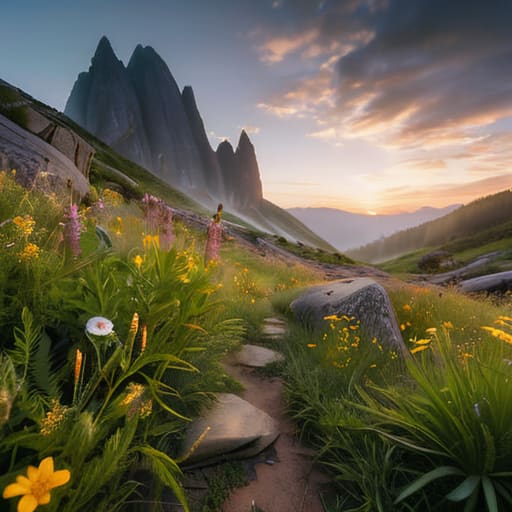
Looking back on the trails we’ve traced, it becomes clear that the most profound landscapes aren’t always the ones that make it onto a glossy travel brochure. Whether it was finding that unexpected stillness in a high-altitude mountain pass or stumbling upon a hidden corner of a national park that felt entirely my own, the lesson remains the same: the magic happens when you step off the paved path. We’ve talked about seeking out those quiet vistas and avoiding the heavy foot traffic of the main attractions, but more importantly, we’ve explored how these spaces allow us to breathe. It’s about finding that specific, uninterrupted silence that tells you you’re exactly where you need to be.
As I pack my notebook and clean my lenses for the next destination, I’m reminded that a landscape is more than just a visual feast; it’s a sensory experience that anchors us to the earth. Don’t just chase the perfect shot or the most famous summit. Instead, let yourself get lost in the scent of damp pine needles or the way the light shifts across a valley just before dusk. The real beauty of travel isn’t found in checking a landmark off a list, but in the quiet, fleeting moments where the world feels vast, ancient, and entirely real. Go find your own corner of the world, and let it change you.
Frequently Asked Questions
How do you find these quieter spots without getting lost or ending up somewhere completely inaccessible?
I’ve learned the hard way that “off the beaten path” can quickly turn into “lost in the woods.” I usually rely on topographical maps—the paper kind, if I can find one—alongside offline GPS apps like Gaia. But my real secret? I talk to the locals. I’ll find a small bakery or a corner shop and ask where they go for a weekend walk. They know the paths that don’t show up on Google.
Are there specific times of year when these landscapes are most beautiful but least crowded?
It really depends on the latitude, but I’ve found that the “shoulder seasons”—late spring and early autumn—are where the magic happens. In the fall, the air turns crisp and the light becomes softer, which is a dream for my analog film. You avoid the summer heat and the heavy crowds, and there’s this quiet, melancholic beauty in the shifting colors. It feels less like a tourist destination and more like a living, breathing place.
Do you have any tips for capturing these views on film without needing a massive, professional setup?
Honestly, I’ve learned to embrace the limitations. I never lug around heavy tripods; they just make me feel like an outsider. Instead, I rely on a sturdy, vintage folding tripod or even just a flat rock to steady my camera. The real secret is patience. I wait for that specific, soft light—usually just after sunrise—and let the natural textures do the work. Sometimes, the most honest shots come from a slightly imperfect, handheld moment.
