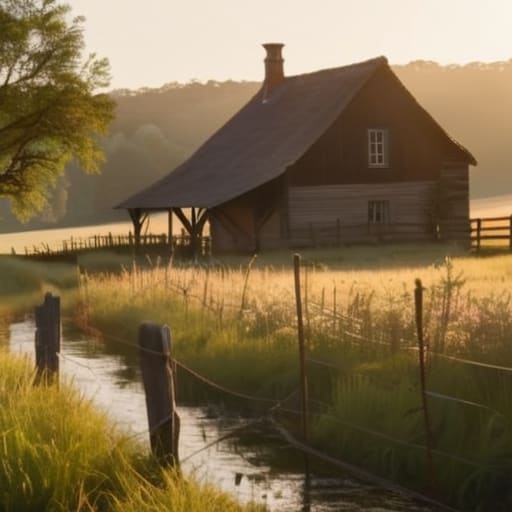
I was sitting on a flour-dusted stool in a tiny kitchen outside of Lucca last spring, watching an elderly woman hand-roll pasta with a rhythm that felt older than the hills themselves. There was no curated “farm-to-table” menu or expensive tasting flight; there was just the smell of toasted semolina and the sharp, bright scent of crushed basil. That’s when it hit me how much we miss when we try to package rural life experiences into something polished and Instagrammable. We’ve been taught to look for the aesthetic, but the real soul of the countryside isn’t found in a boutique agriturismo—it’s found in the unscripted, messy moments of everyday survival and tradition.
I’m not here to sell you on a romanticized version of country living that ignores the mud, the isolation, or the lack of decent coffee. Instead, I want to share what I’ve actually learned from living out of a suitcase and eating my way through the world’s quietest corners. I’ll be giving you the honest, unvarnished truth about navigating these spaces, from finding the local markets that actually matter to understanding the deep connection between the soil and the plate.
Table of Contents
The Seasonal Rhythms of Agricultural Living
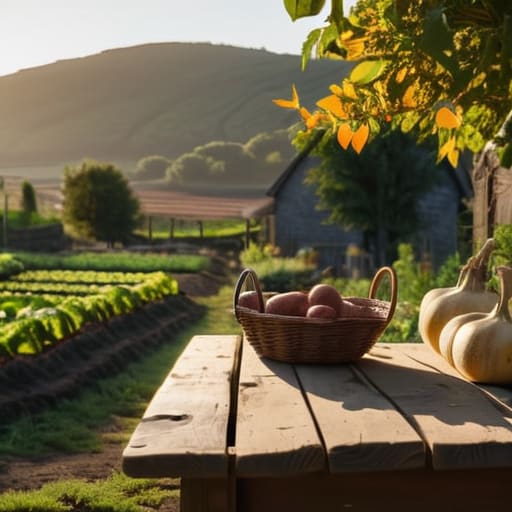
When I’m staying in these smaller villages, I quickly realize that time isn’t measured by a clock, but by the soil. There is a profound sense of grounding that comes from observing the seasonal rhythms of agricultural living; you see it in the way the light shifts over the orchards and how the local markets transform overnight. In the spring, everything is about the frantic, hopeful energy of planting, whereas autumn brings a heavy, fragrant stillness. It’s a cycle that forces you to slow down and actually notice the world turning.
This pace offers a deep connection to nature and mental health that I never found in the frantic pulse of the city. There is something incredibly healing about knowing that the ingredients on your plate were likely in the ground only a few days ago. However, it isn’t always a pastoral dream. You feel the weight of the seasons in your bones—the biting chill of a late frost or the dusty exhaustion of a long harvest. It’s a raw, honest way to exist, where your mood is often dictated by the weather and the whims of the land.
Small Town Community Dynamics and Shared Tables
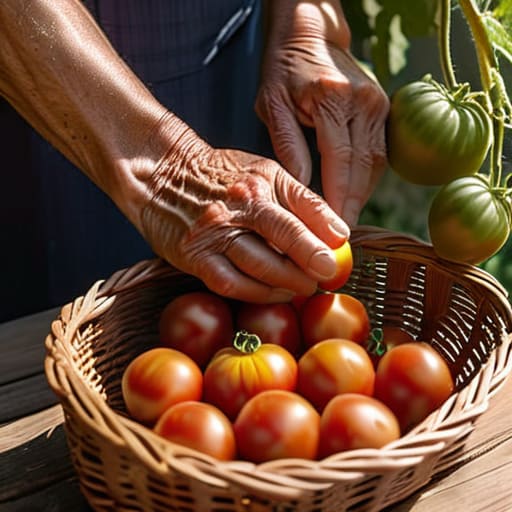
There is a specific kind of intimacy that develops when you realize your dinner is inextricably linked to your neighbor’s labor. Last week, in a small village outside of Lyon, I watched an elderly woman divide a massive basket of heirloom tomatoes among three different families. There was no transaction, just a quiet understanding of what was surplus and what was needed. This is the heartbeat of small town community dynamics—a web of unspoken reciprocity that keeps the village breathing. In these spaces, a meal isn’t just fuel; it’s a social contract.
Of course, this closeness isn’t always easy. I’ve sat in dim taverns and listened to the local debates, realizing that the challenges of rural community life often stem from this very lack of anonymity. When everyone knows your business, privacy becomes a luxury. Yet, there is a profound sense of security in being known. You aren’t just a passing face; you are part of a living, breathing ecosystem where the shared table acts as the ultimate anchor.
How to actually live, not just visit: My rules for rural immersion
- Leave the guidebook in your bag and follow your nose. If a street smells like woodsmoke and roasting garlic rather than expensive perfume, that’s where you need to be. The best stories aren’t in the monuments; they’re in the steam rising from a roadside stall.
- Embrace the slow pace, even when it feels frustrating. In the city, we’re trained to optimize every minute, but rural life operates on a different clock. If the shopkeeper wants to talk about the weather or his grandson for twenty minutes before making your coffee, let him. That conversation is the real destination.
- Learn the language of the seasons. Before you arrive, look up what’s being harvested in that specific month. Knowing that you’re in a valley because it’s truffle season, or a coastal town because the sardines are running, changes how you see every plate put in front of you.
- Buy small and buy local, even if it’s inconvenient. Skip the supermarket chain on the edge of town. Instead, find the farmer with the bruised peaches or the woman selling honey from her kitchen window. Your money goes further, and the connection is much more visceral.
- Carry a physical notebook. Digital notes are fine for itineraries, but there’s something about the tactile act of writing down the scent of a damp spice market or the specific shade of a sunset over a wheat field that keeps you grounded in the moment.
Lessons from the Slow Lane
Real connection happens when you stop following a map and start following your nose; the most profound cultural insights aren’t found in monuments, but in the steam rising from a local’s lunch.
Understanding a place requires patience for its pace; you have to embrace the seasonal wait and the slow rhythm of the land to truly grasp how people live.
Community is built on the shared ritual of the table, where the simplest ingredients become the glue that holds a village together.
The Soul of the Soil
“There’s a specific kind of honesty in rural life that you just can’t find in a city; it’s written in the calloused hands of the people selling heirloom tomatoes and the way a whole village seems to pause together when the first frost hits the valley.”
Anouk Verhoeven
The Lingering Aftertaste
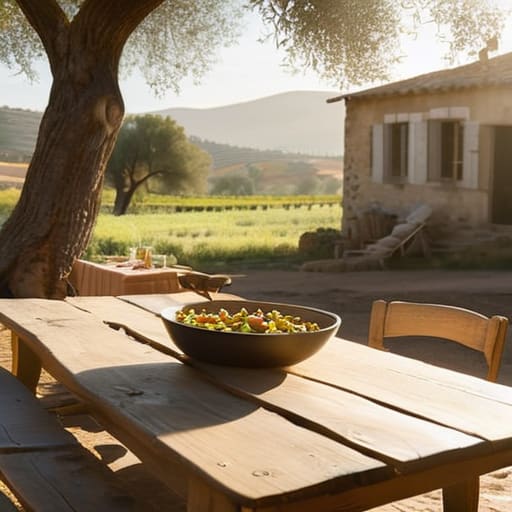
Looking back on these weeks, I realize that rural life isn’t just about the scenery or the slow pace; it’s about the profound connection between the land and the people who tend it. From understanding how the changing seasons dictate what ends up on a family’s dinner plate to witnessing the way a single shared meal can knit a whole village together, these experiences have reshaped my perspective. It’s easy to get caught up in the logistics of travel, but the true essence of a place is found in its rhythms and its resilience. We don’t just eat food in these small towns; we consume the history and the very soul of the community.
As I pack my notebook and prepare for my next destination, I find myself holding onto the quiet lessons learned in those sun-drenched kitchens. Travel shouldn’t be a checklist of monuments, but a series of meaningful encounters that challenge how we see the world. Whether you are sitting in a bustling city or a quiet hamlet, I hope you find the courage to step away from the paved paths and seek out the stories that aren’t written in guidebooks. After all, the most beautiful parts of our world are often found in the smallest, most unassuming bites.
Frequently Asked Questions
How do you find the courage to step into these small communities without feeling like an outsider or a mere spectator?
Honestly, I stopped trying to “belong” and started trying to listen. The courage comes when you trade your camera for a seat at the table. I don’t walk in acting like an expert; I walk in as a student. If you show up with genuine curiosity—asking about a specific spice or how a certain crop is doing—people stop seeing a tourist and start seeing a guest. Humility is your best passport.
Are there specific seasonal ingredients or market rituals I should look for to truly understand the local rhythm?
Look for the things that don’t travel well. If you’re in a valley, hunt for the mushrooms that only pop after a specific rain, or the bruised, heirloom tomatoes that look nothing like the supermarket variety. Watch the vendors, too. There’s a ritual in how they sort the produce or how the regulars haggle without raising their voices. Those tiny, repetitive motions—the way a market shifts from heavy greens in spring to earthy roots in autumn—that’s the heartbeat.
How do you balance the desire for authentic, slow living with the practicalities of being a digital nomad in areas with limited infrastructure?
It’s a constant tug-of-war. I’ve learned to stop fighting the friction and start working around it. I usually scout for “slow” spots by checking if they have a reliable cafe with decent Wi-Fi first, then I settle into the rhythm of the place. I carry a power bank like it’s my lifeline and keep my work blocks strictly timed. It’s about finding that sweet spot: enough connectivity to keep the freelance life breathing, but enough presence to actually taste the salt in the air.
