I remember sitting on a milk crate in a tiny, fourth-floor walk-up in Lisbon last autumn, surrounded by half-unpacked boxes and the heavy scent of damp stone and roasted coffee drifting up from the street. My entire life was contained within twenty square meters, and for a moment, the sheer lack of space felt suffocating. We’re constantly told that small apartment decor requires a complete overhaul—expensive, modular furniture and those sterile, “minimalist” white boxes you see in glossy magazines that feel more like a hospital than a home. But as I sat there, I realized that a cramped footprint shouldn’t mean a cramped soul.
I’m not here to sell you on a lifestyle of empty surfaces and overpriced Scandinavian stools. Instead, I want to share how you can curate a space that actually feels lived-in and meaningful, even when you’re working with limited square footage. I’ll be focusing on the practical, soulful ways to integrate your favorite things into a tight layout without it feeling like clutter. This isn’t about following trends; it’s about finding the quiet rhythm of a home that breathes alongside you.
Table of Contents
Finding Peace Through Minimalist Interior Design
When I moved into my current studio, the sheer amount of “stuff” I had accumulated from years of traveling felt like a physical weight. I realized that a cluttered room leads to a cluttered mind. Embracing minimalist interior design wasn’t about stripping away everything I love, but about being intentional with what remains. It’s about creating a sanctuary where every object has a purpose or a story, rather than just occupying space.
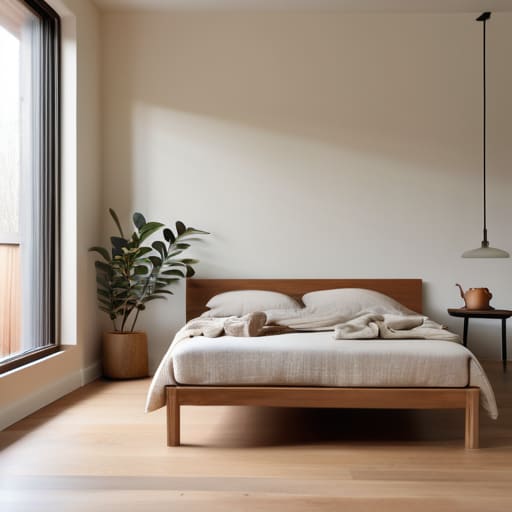
I’ve found that the secret to keeping things calm is focusing on visual breathing room. I started using light and airy color palettes—mostly soft creams and washed-out linens—to make the walls feel like they’re receding rather than closing in. Instead of heavy, dark wood, I opt for pieces that feel weightless. It’s a subtle shift, but suddenly, the morning light hits the floor differently, and the whole room feels like it can finally breathe. By prioritizing quality over quantity, I’ve turned a cramped living area into a space that actually helps me decompress after a long day of navigating new cities.
Light and Airy Color Palettes for Quiet Mornings
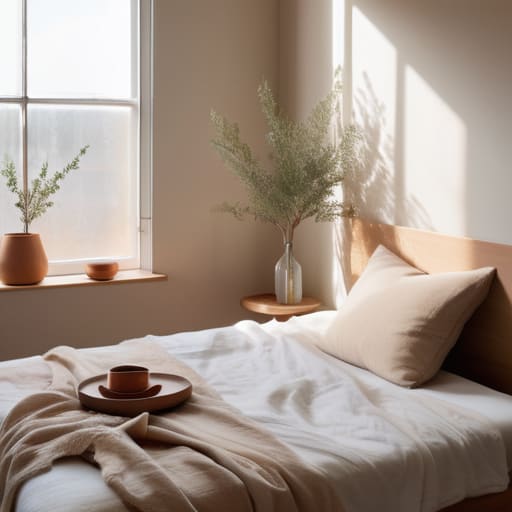
There is a specific kind of magic in how a room feels at 7:00 AM, just as the sun begins to hit the floorboards. When I moved into my first tiny studio, I realized that dark, heavy colors didn’t just make the room feel small—they made it feel heavy, like a weight I was carrying into every new day. Transitioning to light and airy color palettes changed the entire rhythm of my mornings. By leaning into soft whites, muted sands, and pale terracottas, the walls seem to recede, allowing the natural light to actually breathe.
It isn’t just about the paint on the walls, though; it’s about how that light interacts with your surroundings. I’ve found that strategically placing mirrors for small rooms near your main window can effectively double the amount of sunlight bouncing around the corners. It turns a cramped corner into a bright, inviting nook where you can actually sit with a cup of coffee and a notebook without feeling boxed in. It’s these subtle shifts in tone and reflection that transform a mere living space into a sanctuary.
Making Room for What Matters: Five Ways to Breathe Life into Small Spaces
- Stop thinking in terms of floor space and start looking up. I’ve learned from living in tiny studios that floating shelves or high bookcases don’t just save room; they draw your eyes upward, making a cramped corner feel much more expansive.
- Invest in furniture that actually works for its keep. A sleek, wooden bench that doubles as extra seating for a dinner party, or a coffee table with hidden storage, helps prevent that feeling of being surrounded by “stuff” that doesn’t have a purpose.
- Use mirrors to catch the light, not just to check your reflection. Placing a large, well-loved mirror opposite a window can mimic the depth of a view, making a small room feel like it has a secret doorway to the outside world.
- Bring the outdoors in, but keep it intentional. A single, sculptural plant in a ceramic pot adds more soul to a room than a dozen tiny trinkets ever could. It grounds the space and makes it feel lived-in rather than just staged.
- Create “zones” with textiles instead of walls. A small, textured rug can define a reading nook or a dining area without cutting off the flow of the room, giving your apartment a sense of structure without the heavy, claustrophobic feeling of partitions.
Small Changes, Big Impact
Focus on intentionality rather than perfection; it’s better to have one beautiful, meaningful object on a shelf than a dozen things that just take up space.
Use multi-functional pieces that serve more than one purpose, much like how I pack my single versatile linen shirt for three different climates.
Prioritize sensory comfort by incorporating textures—like a worn cotton throw or a ceramic mug—to make a compact space feel lived-in rather than just “decorated.”
## The Soul of a Small Space
“Decorating a tiny apartment isn’t about filling every empty corner; it’s about being intentional with the few things you actually love, so your home feels like a sanctuary rather than just a place to store your things.”
Anouk Verhoeven
Making Space for What Matters
As I pack my bags for my next destination, I’m often reminded that our surroundings act as a silent container for our lives. Whether it’s through the intentionality of minimalist design or the way a soft, neutral palette can transform a cramped studio into a sanctuary, decorating a small space is really about curating your peace. It isn’t just about fitting more furniture into a room; it is about choosing pieces that serve a purpose and colors that invite the morning light to linger. By focusing on light, function, and a sense of calm, you turn a mere floor plan into a true reflection of your inner world.
Ultimately, I’ve learned that a home doesn’t need vast square footage to hold a lifetime of stories. Just like the small, weathered cafes I stumble upon in foreign cities, a tiny apartment can feel infinitely large if it is filled with soul and intention. Don’t let the limitations of your walls dictate the quality of your living. Instead, view every corner as an opportunity to create a small, quiet ritual—a place for your morning coffee, a nook for your analog camera, or a shelf for the spices that remind you of home. After all, home is a feeling, not a measurement.
Frequently Asked Questions
How do I incorporate meaningful pieces from my travels without making a tiny space feel cluttered?
I’ve spent years trying to cram my life into carry-ons, so I know the struggle. The trick is to stop thinking about “decorating” and start thinking about “curating.” Instead of a shelf full of trinkets, pick one or two pieces that actually hold a memory—maybe a hand-thrown ceramic bowl from a market in Oaxaca or a woven textile. Let those pieces breathe. If everything is fighting for attention, nothing feels special.
Are there specific ways to use multi-functional furniture that doesn't feel too "industrial" or cold?
I used to think multi-functional furniture meant cold, metal folding tables—the kind that feel more like a dorm room than a home. But I’ve learned it’s really about choosing pieces with soul. Look for a wooden trunk that doubles as a coffee table or a velvet ottoman with hidden storage. It’s about mixing textures; when you pair a clever, space-saving desk with a soft linen throw, it feels intentional and lived-in, not clinical.
How can I add warmth and texture to a small room so it feels cozy rather than just empty?
It’s easy for minimalism to tip over into feeling clinical or cold, especially when you’re working with limited square footage. For me, warmth comes from the tactile stuff. I love layering different textures—think a chunky wool throw over a linen chair or a woven jute rug underfoot. Even a few well-loved ceramic bowls or a stack of old, linen-bound books can ground a room, making it feel lived-in rather than just staged.
