
I was sitting on a low plastic stool in a narrow alleyway in Oaxaca last spring, the air thick with the scent of charred chilies and toasted corn, watching an elderly woman hand-grind beans for a morning stew. There was no neon sign advertising “optimized nutrition” or expensive, chalky supplements, yet the strength in her hands and the vitality of the people around her felt more profound than any gym-bro’s lecture. It struck me how much we have overcomplicated the concept of protein intake, turning something as fundamental as nourishment into a sterile, mathematical chore dominated by powders and overpriced bars.
I’m not here to give you a clinical breakdown of macronutrient ratios or sell you on a lifestyle that requires a subscription to a supplement company. Instead, I want to strip away the marketing noise and look at how we can find real, sustainable fuel through the ingredients that actually connect us to the earth and each other. My promise to you is a grounded, no-nonsense guide to meeting your needs by focusing on the honest, whole foods found in local markets and kitchen cupboards, rather than the hype found on a pharmacy shelf.
Table of Contents
Calculating Daily Protein Requirements Through Local Flavors
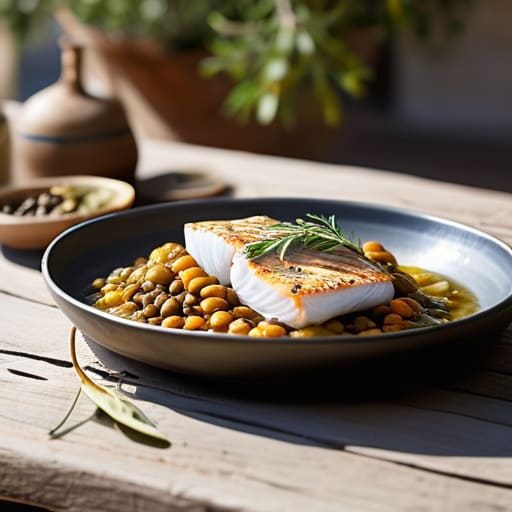
When I’m navigating a new city, I rarely carry a calculator, but I do carry an awareness of how my body feels after a day of walking ten miles through cobblestone streets. Instead of obsessing over rigid numbers, I try to gauge my daily protein requirements by looking at the composition of a typical local meal. In many places I visit, the balance is intuitive. I’ve learned that understanding the difference between complete vs incomplete proteins isn’t just for gym-goers; it’s about how a bowl of lentils in a Moroccan riad or a piece of grilled fish in a Greek village actually sustains you.
I’ve found that my energy levels fluctuate wildly depending on my macronutrient distribution throughout the day. If I spend my morning wandering through a humid spice market and only eat fruit, I hit a wall by mid-afternoon. I’ve started paying closer attention to the rhythm of my meals, ensuring that whether I’m grabbing a quick snack from a street vendor or sitting down for a slow, multi-course dinner, there is always a foundation of something solid to keep me grounded.
Protein for Weight Management in Every Small Cafe
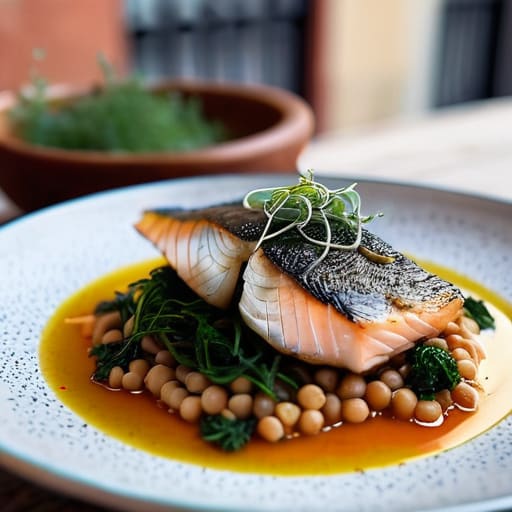
When I’m navigating a new city, I’ve noticed that the easiest way to feel grounded—and to keep my energy from crashing—is to pay attention to how my meals affect my satiety. I used to think of protein for weight management as something strictly tied to gym diets and calculated shakes, but traveling has taught me otherwise. In a small, sun-drenched bistro in Lisbon, I realized that a hearty plate of lentil stew or a piece of grilled sea bass does more than just satisfy hunger; it provides that steady, slow-burning fuel that prevents the mid-afternoon slump.
It isn’t about deprivation, but rather about the quality of the plate. I often find myself looking for a balance of ingredients that offer a mix of complete vs incomplete proteins, especially when I’m relying on plant-based staples like chickpeas or quinoa found in local markets. By focusing on these dense, whole foods in every small cafe I stumble upon, I find it much easier to maintain a sense of balance without feeling like I’m constantly fighting against my surroundings.
My Little Guide to Staying Fueled Without Losing the Magic
- Look for the “hidden” protein in market staples, like a handful of roasted chickpeas in a street salad or a scoop of lentils in a midday stew, rather than hunting for a specialized health food store.
- Prioritize whole, single-ingredient sources whenever you can; a piece of grilled fish from a seaside stall is always more grounding and satisfying than a processed protein bar from a convenience store.
- Don’t be afraid to ask locals about their traditional breakfast proteins—often, a simple bowl of beans or a soft-boiled egg is exactly what the body needs to sustain a long day of walking.
- Keep your protein intake steady by snacking on small, local bites like nuts or dried fruits between meals, which prevents that mid-afternoon slump that makes exploring feel like a chore.
- Listen to your body’s cues rather than a rigid app; if a heavy meat dish feels too much for your digestion in a humid climate, lean into the lighter, plant-based proteins like tofu or tempeh that the local culture offers.
Finding Your Rhythm in the Local Kitchen
Stop obsessing over clinical spreadsheets and start looking at the plate; protein is most effective when it’s sourced from the fresh, seasonal ingredients that define a region’s true culinary identity.
Use the natural satiety of local proteins—like a hearty lentil stew in a mountain village or a simple grilled fish by the coast—as your compass for managing hunger without feeling restricted.
True nutritional balance isn’t about finding a perfect macro ratio in a sterile environment, but about learning to navigate the beautiful, messy reality of local markets to find the fuel your body actually needs.
Beyond the Macros
“We spend so much time obsessing over grams and percentages in our fitness apps, but I’ve learned that protein isn’t just a number on a screen; it’s the hearty lentil stew shared in a dim courtyard or the simple, sun-ripened eggs from a village market that actually sustain us.”
Anouk Verhoeven
Beyond the Numbers
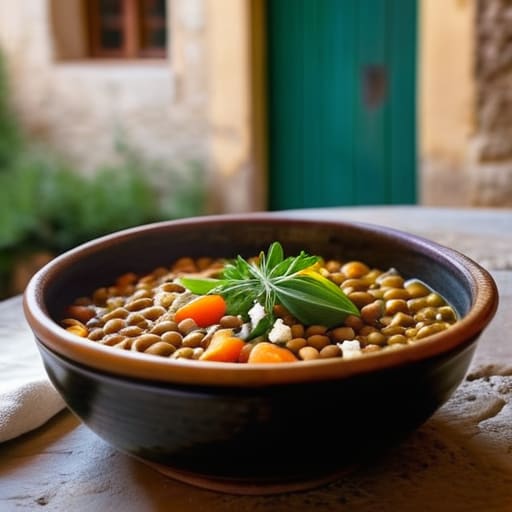
At the end of the day, tracking your protein doesn’t have to feel like a clinical exercise or a rigid math problem. Whether you are calculating your needs through the lens of a hearty lentil stew in a Mediterranean village or finding the perfect balance of lean meats in a bustling Southeast Asian night market, the goal remains the same: fueling your body with intention. We’ve looked at how these macronutrients help manage weight and how local, seasonal ingredients can make meeting your daily requirements feel less like a chore and more like an exploration of flavor. It is about finding that sweet spot where nutritional necessity meets cultural discovery, ensuring you have the energy to keep walking those cobblestone streets without feeling depleted.
As I pack my notebook and prepare for my next train, I am reminded that food is never just about fuel; it is the most intimate way we connect with the world around us. Don’t let the pursuit of “optimal intake” strip the joy out of your meals or keep you from sitting on that wobbly stool in a crowded kitchen. Instead, let the protein of the people—the eggs, the beans, the small catches of the day—be the foundation that allows you to truly experience the places you go. Travel is demanding work, but when you eat with awareness, you aren’t just surviving the journey; you are living it deeply.
Frequently Asked Questions
How can I ensure I'm getting enough protein when I'm traveling through regions where the diet is heavily plant-based?
I’ve spent weeks in parts of Southeast Asia where meat is a luxury, not a staple. When I’m in those plant-heavy regions, I stop looking for “protein meals” and start looking for the small, reliable anchors: a handful of roasted peanuts, a bowl of lentil dal, or even just extra tofu in a stir-fry. It’s about scanning the market stalls for seeds and legumes—the quiet, humble ingredients that keep you grounded when everything else is changing.
Are there specific local markets or street food stalls I should look for to find high-quality, unprocessed protein sources?
I tend to look for the stalls where the elderly women are working; they usually know exactly which butcher has the freshest catch or which farmer brought in the cleanest eggs that morning. In places like Mexico or Southeast Asia, skip the polished storefronts and find the stalls with the most turnover. If the eggs are being cracked into pans every few minutes and the meat is being prepared right in front of you, you’ve found your source.
How do I balance my protein needs without falling into the trap of eating heavy, overly processed "tourist" meals?
I’ve learned that the trick is to look for the “unadorned” dishes. Instead of the heavy, breaded, or sauce-laden meals designed for hungry tourists, I seek out the staples of a local’s lunch. Think of a simple bowl of lentil stew in a village square, or grilled fish wrapped in banana leaves. These dishes prioritize the ingredient itself, offering clean, high-quality protein that leaves you feeling fueled rather than weighed down.
