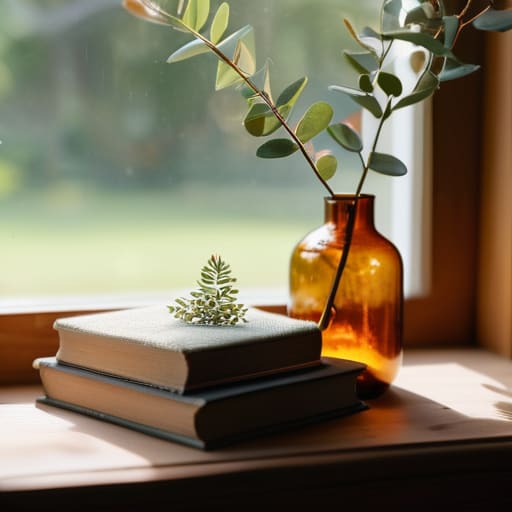
I remember sitting in a tiny, sun-drenched kitchen in Marseille, watching the light shift across a chipped terracotta pot perched on a narrow ledge. There was no expensive curated collection or designer arrangement—just a single, hardy herb and the scent of salt air. It struck me then how much we overcomplicate things; we see these polished, Pinterest-perfect photos of window sill decor and think we need a professional stylist to make a space feel “lived-in.” But those sterile, perfectly matched sets actually feel quite soulless to me. They lack the grit and the stories that a real home deserves.
I’m not here to sell you on a specific aesthetic or a shopping list of overpriced trinkets. Instead, I want to share how you can use your windowsills to capture those small, grounding moments that make a house feel like a sanctuary. I’ll be focusing on intentional, found objects—the kind of weathered ceramics or mismatched glass you might stumble upon in a local market. My goal is to help you curate a space that feels deeply personal and effortlessly connected to the world outside your glass.
Table of Contents
Minimalist Windowsill Aesthetics for a Quiet Morning
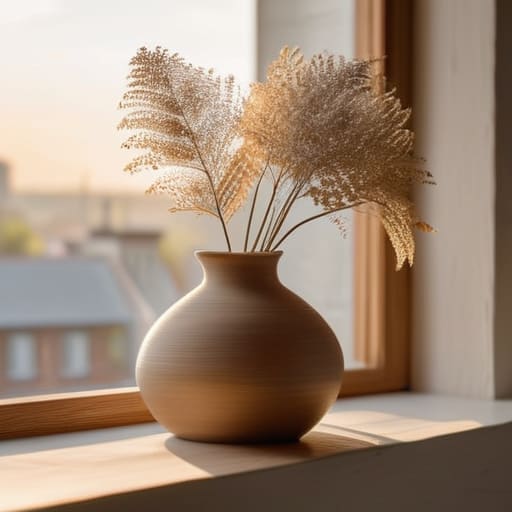
There is a specific kind of stillness that only exists in the early morning, just before the rest of the world decides to wake up. When I’m staying in a new city, I find myself drawn to the light hitting a window ledge, and I try to recreate that feeling at home. To achieve minimalist windowsill aesthetics, I lean toward subtraction rather than addition. Instead of cluttering the space, I might place a single, hand-thrown ceramic vessel or a stack of two well-loved linen napkins. It’s about creating a sense of breathability—a visual pause that allows the morning light to actually do the heavy lifting.
If you want to add a touch of life without the chaos, I’ve found that small-scale indoor herb garden ideas work beautifully here. A couple of weathered terracotta pots holding basil or mint don’t just look lovely; they bring that earthy, sensory connection I crave. I like to keep things functional and grounded, perhaps grouping a small cutting of rosemary next to a single piece of sea glass I found on a trip. It’s not about perfection; it’s about curating a quiet moment that feels entirely your own.
Decorative Tray Styling to Capture Local Charm
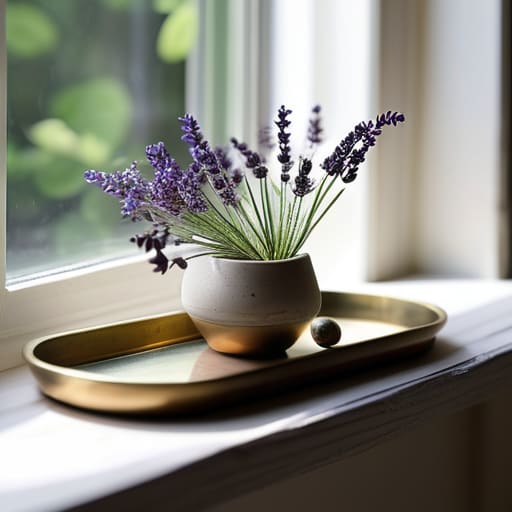
When I’m traveling, I often find myself mesmerized by the way small cafe owners arrange their tiny treasures on the ledge of a window. It’s never cluttered; it’s intentional. You can replicate this feeling at home through thoughtful decorative tray styling. Instead of letting small objects scatter across your ledge, gather them onto a single piece of weathered wood or a slim brass tray. This creates a sense of purpose and keeps your space feeling curated rather than messy.
I love using a tray as a base for seasonal windowsill vignettes that change with the rhythm of the year. In the spring, I might place a small ceramic pitcher filled with wildflowers alongside a single, well-loved journal. As autumn approaches, that same tray could hold a handful of dried seed pods or a small, textured candle. By grouping these items, you aren’t just decorating; you’re creating a tiny, still-life scene that invites you to pause and breathe during your morning coffee.
Small Objects, Big Stories: How I Curate My Sills
- I always look for a single, weathered ceramic bowl or a hand-thrown cup from a local potter; it’s much more meaningful than a matched set of factory-made trinkets.
- Instead of a bouquet of expensive roses, I tuck a few sprigs of wild herbs or seasonal branches into a glass jar to bring that raw, market-day energy indoors.
- I like to layer different heights, perhaps placing a small, well-loved stack of linen-bound journals next to a single piece of sea glass to keep the look from feeling too stiff.
- Light is everything, so I avoid heavy clutter that blocks the sun; I prefer small, translucent objects like amber glass bottles that catch the afternoon glow and cast warm shadows.
- Don’t be afraid of a little imperfection—a chipped saucer or a smooth stone found on a coastal walk adds a layer of honesty that polished decor just can’t mimic.
Finding Meaning in the Small Spaces
Don’t feel pressured to fill every inch of your sill; sometimes, leaving space for the light to hit a single, well-loved object is more powerful than a crowded display.
Look for pieces with a history—a weathered ceramic bowl or a hand-thrown cup from a local market—to turn a simple ledge into a storyteller.
Use your windowsill as a sensory anchor, pairing a small plant or a textured tray with the natural rhythm of the morning light to ground your daily routine.
The Soul of a Sill
“A windowsill shouldn’t be a curated showroom; it should be a collection of small, sensory anchors—a weathered ceramic cup from a morning in Lisbon or a single sprig of herbs from a market stall—that catch the light and remind you of where you’ve been.”
Anouk Verhoeven
Finding Stillness in the Small Things
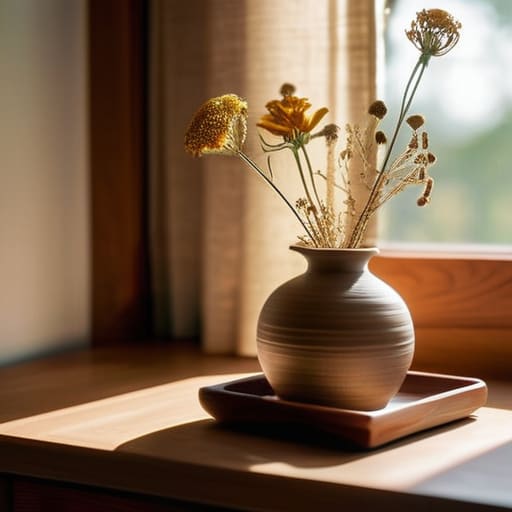
At the end of the day, decorating a windowsill isn’t about following a strict design rulebook or buying a set of matching trinkets. It’s about the intentionality of what we choose to keep in our line of sight. Whether you are leaning into a minimalist aesthetic to clear your mental clutter or using a small wooden tray to gather those weathered ceramics and market finds, you are essentially creating a tiny, curated altar to your own life. By focusing on texture, light, and a few meaningful objects, you transform a simple ledge into a space that reflects the quiet rhythm of your home.
As I pack my bags for my next destination, I often find myself looking at the windowsills of small cafes, wondering what little treasures the locals have tucked away there. It reminds me that our homes don’t need to be perfect to be beautiful; they just need to be honest. I hope these ideas encourage you to look at those empty spaces in your own home not as gaps to be filled, but as opportunities to pause. Let your windowsill be a place where you can catch a bit of morning sun and remember that the most profound beauty is often found in the smallest details.
Frequently Asked Questions
How do I balance decorating a windowsill with the practical need for sunlight if I want to keep small plants there?
It’s a delicate dance, isn’t it? I used to struggle with this in my tiny studio in Lisbon. My advice is to think in layers. Use clear glass vessels or slender ceramic pots that don’t feel heavy or block the light. If you want decor, place your heavier items—like a stack of old books or a stone bowl—on the edges, leaving the center clear for low-profile succulents or herbs that actually crave that sun.
Are there specific types of weathered or vintage objects that work best for a minimalist look without making the space feel cluttered?
I’ve found that the trick is to look for objects with a single, strong texture. A solitary, hand-thrown ceramic vessel or a small, weathered brass dish works beautifully because they feel intentional rather than accidental. I tend to gravitate toward things that show a bit of history—like a smooth sea stone or a single vintage glass vial—but I keep the count low. One meaningful piece always carries more soul than a handful of trinkets.
How can I style a windowsill in a small apartment or a rental where I can't make permanent changes to the space?
When I’m in a tiny rental, I treat my windowsill like a temporary altar to the present moment. Since I can’t drill holes or paint, I rely on layering. I’ll gather a few mismatched glass jars from a flea market for herbs, or stack a couple of linen napkins under a small, weathered ceramic bowl. It’s about using lightweight, tactile objects that catch the light without leaving a single mark behind.
