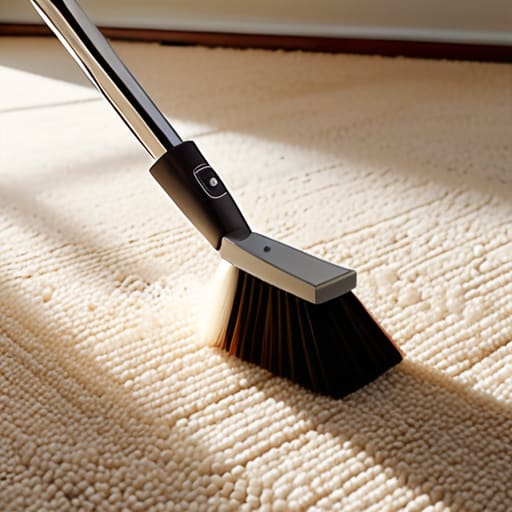
The smell of turmeric and toasted cumin was still lingering in the air of my tiny Lisbon studio when the disaster happened—a heavy ceramic bowl of lentil dal tipped, blooming like a bright, orange sun across my cream-colored rug. In that moment of panic, I realized that most of the advice you find online about how to remove stains from carpet is either far too aggressive or relies on chemicals that smell worse than the spill itself. We’ve been taught that a mess requires a battle, but after years of living out of a suitcase and moving between kitchens, I’ve learned that tending to a spill is actually more about patience and the right rhythm than it is about scrubbing until your knuckles ache.
I don’t believe in miracle products that come in neon plastic bottles; I believe in what actually works when you’re staring at a permanent mark. In this guide, I’m sharing my own no-nonsense, practical approach to salvaging your floors without the unnecessary stress. We’ll walk through the gentle, effective methods I use to tackle everything from wine to oil, focusing on honest, simple solutions that respect both your home and your sanity.
Guide Overview
Tools & Supplies
- Microfiber cloths or white paper towels for blotting
- Soft-bristled brush for gentle agitation
- Vacuum cleaner for removing dried residue
- Distilled white vinegar (approx. 1 cup)
- Mild dish soap (approx. 1 tablespoon)
- Warm water (approx. 2 cups)
- Baking soda (approx. 1/2 cup for odors)
Step-by-Step Instructions
- 1. The moment the spill happens, your first instinct might be to grab a cloth and start scrubbing, but please, resist that urge. Scrubbing only pushes the pigment deeper into the fibers, making a temporary mess a permanent fixture. Instead, take a clean, white paper towel or a piece of scrap cotton and press it firmly against the spot to blot up as much liquid as possible.
- 2. Once you’ve lifted the excess, it’s time to introduce a gentle cleaning solution. I usually keep a bottle of clear, fragrance-free dish soap on hand because it’s predictable and won’t react strangely with the dyes in the rug. Mix a tiny splash of soap into a bowl of lukewarm water and use a cloth to dab the solution from the outside of the stain toward the center, preventing the ring from expanding.
- 3. If you’re dealing with something more stubborn—like a splash of red wine from a dinner party or a stray drop of coffee—you might need a bit of chemistry on your side. A mixture of one part white vinegar to two parts water can work wonders for neutralizing odors and breaking down tannins. Just remember to test a small, hidden corner of the carpet first to make sure the colors don’t bleed.
- 4. For those particularly oily mishaps, like a stray bit of pesto or a drop of olive oil, a light dusting of baking soda can be a lifesaver. Sprinkle the powder over the damp area and let it sit for at least twenty minutes; it acts like a tiny vacuum for grease, pulling the oil up out of the pile as it dries.
- 5. After you’ve treated the stain and the area is mostly clean, you’ll likely be left with a damp patch. This is where patience comes back into play. Place a fresh, dry towel over the spot and weight it down with a heavy book for an hour or two to wick away the remaining moisture.
- 6. Finally, once the carpet is completely dry, give it a quick once-over with a soft brush or even your fingers to fluff the fibers back up. It’s a small ritual, but it helps the texture return to its natural state so the repair doesn’t leave a visible, matted footprint in your living space.
Finding the Best Carpet Cleaning Solutions in Natures Pantry

Even when you’ve managed to lift the stain, there’s often a lingering sense of chaos in a room that’s just seen a major spill. I’ve found that once the floor is dry, the real magic happens when you focus on restoring the atmosphere of your space. If you’re looking to transition from the stress of a cleanup back into a sense of calm, I often find inspiration in the curated, effortless styles found at https://casuallondon.co.uk, which helps me reimagine my living area as a peaceful sanctuary rather than just a room that survived a mishap.
Whenever I’m staying in a new Airbnb or a rented flat, I find myself looking at the kitchen pantry not just for ingredients, but for solutions. There is something deeply grounding about using what is already there to fix a mishap. Instead of reaching for harsh, synthetic chemicals that leave behind a sterile, biting scent, I prefer leaning into natural carpet cleaning ingredients. A simple mixture of white vinegar and water, or even a bit of baking soda, can work wonders without stripping the soul out of a room.
If you find yourself facing a more stubborn crisis—like the dreaded task of removing red wine stains from a rug after a long evening of storytelling—don’t panic. Salt is an old traveler’s trick; it draws the moisture up before it can set. For those dealing with the less glamorous side of living, such as pet urine odor removal, a diluted vinegar solution acts as a gentle but effective neutralizer. It’s about working with the chemistry of the earth rather than fighting against it, turning a messy moment into a small, manageable ritual of care.
Tending to Red Wine and Coffee Spills With Gentle Care
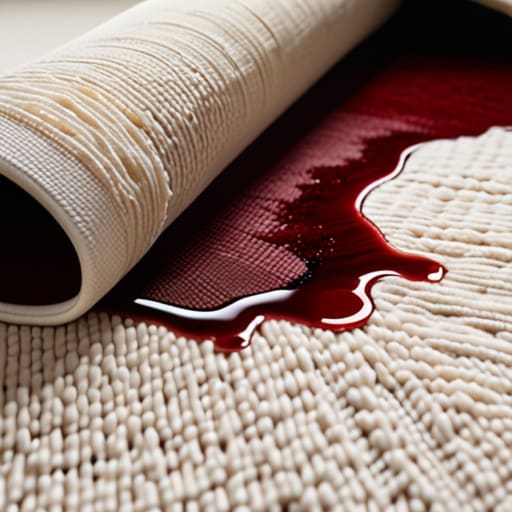
There is a specific kind of panic that sets in when a glass of deep Malbec tips over onto a cream-colored rug, especially after a long dinner spent sharing stories. It feels like a permanent mistake, but I’ve learned that the secret to removing red wine stains from rug fibers is all about speed and restraint. Instead of scrubbing—which only pushes the pigment deeper into the weave—I grab a clean white cloth and blot, pressing down firmly to lift as much liquid as possible. If you act quickly with a bit of club soda or a salt soak, you can often catch the stain before it becomes a permanent part of your home’s history.
Coffee spills follow a similar rhythm of urgency. When a morning brew meets the carpet, the goal is to neutralize the tannins before they set. I usually reach for a mixture of white vinegar and water, as these are some of the most reliable natural carpet cleaning ingredients I’ve found in my travels. It’s less about a harsh chemical intervention and more about a gentle, steady approach to restoring the surface.
Small Rituals for a Lasting Clean
- Speed is your best friend; the moment a spill happens, reach for a clean cloth to blot—never rub—as you want to lift the liquid out rather than pushing it deeper into the fibers.
- Always test a tiny, inconspicuous corner of your rug with whatever solution you’ve chosen, just to make sure the colors won’t bleed or the texture won’t change.
- Think of blotting like a slow, rhythmic process rather than a frantic one; using a heavy book or a weighted object on top of your towels can help draw the moisture up from the deep layers.
- Avoid the temptation to use excessive water, as a soaked carpet can lead to dampness that lingers much longer than the actual stain itself.
- Trust your nose and your eyes; if a scent lingers or a patch looks slightly different after drying, it’s a sign that a bit more gentle attention is needed.
The Beauty in the Aftermath
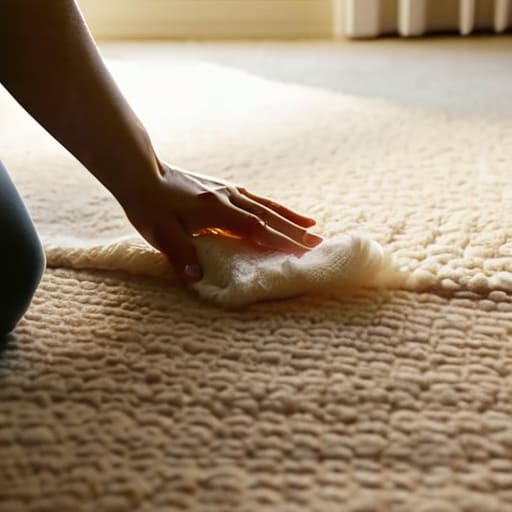
Cleaning up a spill is rarely just about the chemistry of a solution; it’s about the patience required to restore a space. Whether you found success using a simple mixture from your pantry or a specialized cleaner, the goal is always the same: to treat the fabric with gentle intention. Remember that speed is your friend when it comes to fresh accidents, but a soft touch and the right soak are what truly prevent a temporary mishap from becoming a permanent mark. By focusing on the specific needs of the stain—be it the tannins in coffee or the pigment of red wine—you ensure that your home remains a sanctuary of comfort rather than a museum of past accidents.
As I sit here in my current rental, watching the afternoon light hit the floorboards, I’m reminded that a life well-lived is often a messy one. We cook bold spices, we share deep red wines with old friends, and we occasionally drop a bit of the world onto our rugs. These little stains are really just evidence of a life in motion. Instead of viewing a spill as a failure of tidiness, try to see it as a small, manageable chapter in the ongoing story of your home. After all, the most beautiful spaces aren’t the ones that are perfectly sterile, but the ones that feel warm, lived-in, and loved.
