
I was sitting in a cramped, humid market in Hanoi last July, the scent of star anise and charred ginger thick in the air, when the sudden, sharp panic of a missed train hit me. My hands were shaking, my heart was racing, and all I could think about was the endless mental checklist of things I was failing at. It’s in those messy, unscripted moments that you realize most advice on how to manage daily stress levels is completely disconnected from reality. We are constantly told to buy expensive weighted blankets or download another meditation app, as if peace is something you can simply purchase or automate with a subscription.
I’m not here to sell you a lifestyle overhaul or a rigid, soul-crushing routine. Instead, I want to talk about the small, tactile ways we can find our footing when the world feels too loud. I’ll be sharing the grounded, sensory rituals I’ve gathered from my travels—the kind that involve nothing more than a slow cup of tea or the way a specific scent can anchor you back to the present. This is about finding quiet, sustainable pockets of calm amidst the chaos of everyday living.
Decoding the Physical Signs of Chronic Stress

It’s funny how we often treat our bodies like machines that just need a software update, rather than living organisms that react to everything around them. During my time working in museums, I used to ignore the way my shoulders would migrate toward my ears by mid-afternoon. I didn’t realize then that these were the physical signs of chronic stress—that constant, low-grade tension that settles into your jaw or a persistent tightness in your chest. It isn’t always a dramatic breakdown; more often, it’s a quiet, heavy exhaustion that a single night of sleep can’t quite fix.
Lately, I’ve become much more attuned to these subtle cues. I notice when my digestion feels off after a frantic week of travel, or when my heart races slightly even when I’m just sitting in a quiet market. These aren’t just inconveniences; they are signals. Learning to recognize these patterns is the first step toward meaningful lifestyle changes for emotional regulation. Before we can even begin to look for solutions, we have to actually listen to what our bodies are trying to tell us through the noise.
Cortisol Reduction Techniques in the Morning Light
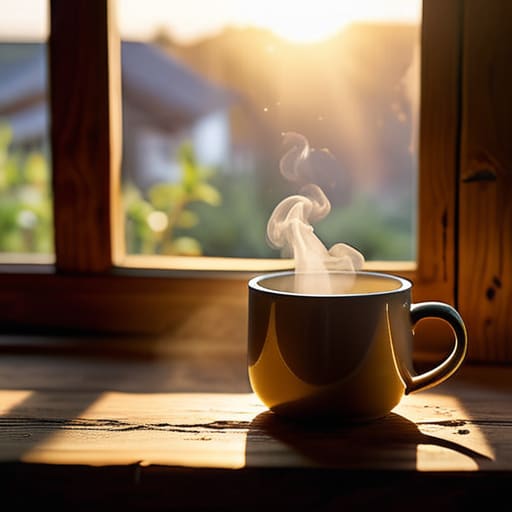
I’ve found that the way we greet the sun sets the tone for everything that follows. In my early years working in museums, I used to rush straight into the archives, fueled by nothing but caffeine and a sense of urgency. Now, I prioritize a few gentle cortisol reduction techniques before the world starts demanding my attention. Instead of reaching for my phone, I try to sit by the window with a cup of herbal tea, simply watching the light shift across the floor. It’s a small, quiet ritual, but it prevents that immediate, frantic spike of adrenaline that so often characterizes a stressful morning.
There is something about the stillness of dawn that makes mindfulness meditation for anxiety feel less like a chore and more like a necessity. I don’t subscribe to the idea of an hour-long seated session; for me, it’s about five minutes of intentional breathing while the smell of brewing coffee fills the room. This period of stillness acts as a buffer, allowing me to transition from sleep to movement without triggering that familiar, tight sensation in my chest. It’s about building a foundation of calm before the day’s chaos begins.
Small Rituals for a Quieter Mind
- Find your own version of a “sensory anchor.” For me, it’s the ritual of grinding coffee beans in the morning—the scent is so sharp and grounded that it pulls me out of my head and back into my kitchen. When the day feels like it’s spinning too fast, find a scent or a texture that brings you back to the present.
- Practice the art of the single task. We’ve been conditioned to believe that multitasking is a superpower, but it’s actually just a recipe for burnout. Try doing just one thing at a time—even if it’s just peeling an orange or washing the dishes—and notice how much more peaceful the silence becomes.
- Seek out “micro-escapes” in your local environment. You don’t need a plane ticket to reset; sometimes, a twenty-minute walk through a neighborhood market or a quiet corner of a park is enough to break the cycle of tension. It’s about changing your visual landscape, even if only slightly.
- Curate your digital boundaries like you would a guest list for a dinner party. If your notifications are constantly demanding your attention, your nervous system never gets a chance to settle. Set specific times to check your phone, and treat your downtime as sacred, non-negotiable space.
- Eat with intention, not just for fuel. When stress hits, we tend to graze or eat on the move, which only adds to the chaos. Try to sit down, even for ten minutes, and actually taste what you’re eating. Connecting with the flavors and the textures of a meal is one of the simplest ways to tell your body that you are safe.
Finding Your Own Rhythm
Managing stress isn’t about achieving some impossible state of perpetual zen; it’s about learning to listen to what your body is actually trying to tell you. We’ve looked at how to recognize those physical cues before they turn into burnout, and how to use the gentle, predictable rhythms of the morning to settle your nervous system. Whether it’s through intentional movement or simply being mindful of your cortisol spikes, the goal is to stop reacting to life and start navigating it with intention. It’s about building a toolkit of small, manageable habits that act as anchors when the world starts to feel a little too loud.
At the end of the day, I’ve learned through my travels that the most beautiful moments rarely happen when we are rushing to meet a deadline or checking off a list. They happen in the pauses—the quiet sip of tea, the smell of rain on hot pavement, or the way the light hits a kitchen table. Don’t aim for a perfect, stress-free life; instead, aim for a life where you are deeply present enough to enjoy the stillness when it arrives. Take a breath, grab your notebook, and remember that you are allowed to move at your own pace.
Sometimes, the weight of everything just feels too heavy to carry alone, and I’ve learned that trying to “self-care” your way out of deep burnout is often a losing battle. There are moments when what you truly need isn’t a meditation app or a green smoothie, but a genuine, unfiltered connection with another human being to help ground you back in reality. I’ve found that seeking out privat geile kontakte can be one of those unexpectedly grounding ways to break the cycle of isolation, reminding you that you’re still very much alive and present in your own body. It’s about finding that raw, human spark that helps pull you out of your head and back into the world.
