
I was sitting in a cramped, sun-drenched kitchen in Oaxaca last month, surrounded by the heady, fermented scent of ripening cacao and fresh masa, when I realized how much of our “wellness” conversation is just expensive noise. Everywhere I look lately, people are trying to sell me a thirty-dollar bottle of “miracle” probiotic powder or a subscription to some hyper-engineered supplement, as if my gut microbiome is something that can be fixed with a luxury transaction. It’s exhausting. We’ve turned the incredibly complex, beautiful dance of our internal ecosystems into a series of sterile marketing slogans, losing sight of the fact that this is about real, living biology—not a boutique lifestyle trend.
I’m not here to give you a clinical lecture or sell you a lifestyle pill. Instead, I want to talk about what actually matters: the connection between the soil, the kitchen, and your own body. I’m going to share what I’ve learned from years of eating my way through global markets—focusing on real, fermented foods and the simple, unpretentious ways we can nourish our inner worlds. This isn’t about perfection; it’s about finding the rhythm of your own biology through the food that actually tells a story.
Table of Contents
Finding Balance Within Your Intestinal Microbiota Balance
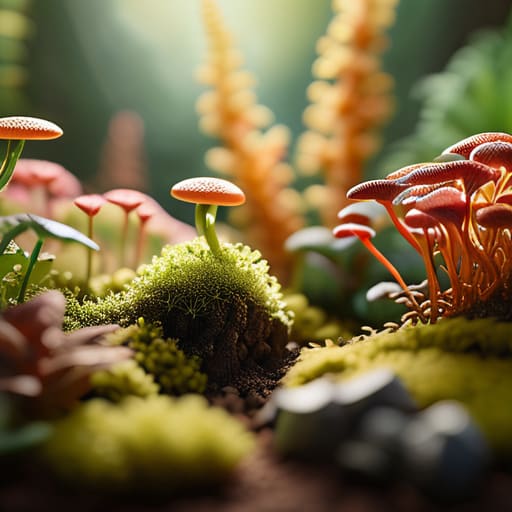
When I’m navigating a new city, I’ve learned that staying grounded often depends on how my body reacts to the local rhythm. It’s the same with our internal landscape; achieving true intestinal microbiota balance isn’t about a sudden, drastic overhaul, but rather a series of small, intentional choices. I like to think of it like tending to a community garden. You can’t just throw seeds at the dirt and expect a harvest; you have to nurture the soil itself.
This is where the distinction between probiotics vs prebiotics becomes so vital. I’ve started looking at my meals through this lens: if probiotics are the beneficial travelers arriving in my system, then prebiotics are the essential fuel that keeps them settled and productive. By focusing on diverse, plant-based ingredients, I’m essentially feeding the microbes that produce short-chain fatty acids, which are crucial for keeping everything running smoothly. It’s not about perfection or following a strict, clinical regimen; it’s about finding that steady, quiet equilibrium that allows me to feel at home, no matter where I’m sleeping tonight.
Nurturing Digestive System Wellness Through Daily Rituals
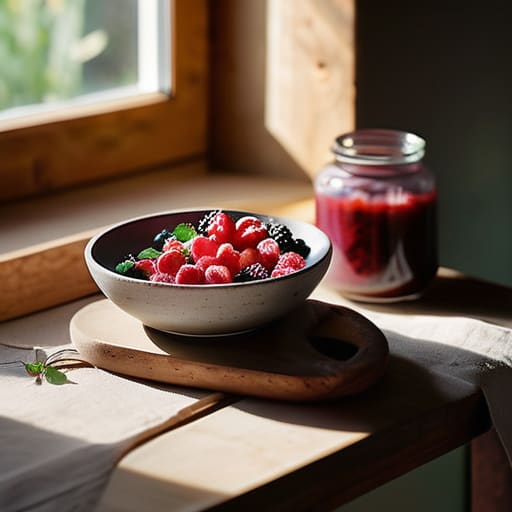
I’ve learned through years of living out of a suitcase that wellness isn’t a destination you reach; it’s a series of small, intentional rhythms. When I’m navigating a new city, I try to anchor myself through my morning tea or the way I choose my market finds. For me, nurturing digestive system wellness isn’t about restrictive diets or complicated protocols. It’s about the quiet ritual of choosing foods that feel alive. I find myself reaching for the same things whether I’m in a tiny kitchen in Lisbon or a bustling apartment in Tokyo: fermented vegetables, sourdough, or a handful of seasonal berries.
It’s also about understanding the relationship between probiotics vs prebiotics without making it feel like a science lecture. I think of it like a garden; the probiotics are the seeds you plant, while the dietary fiber and gut flora act as the soil that keeps everything thriving. When we prioritize these small, daily choices, we aren’t just eating; we are tending to a complex, internal ecosystem that supports everything from our energy levels to our microbiome and immune function.
Small Rituals for a Restless Gut
- Think of your plate as a diverse marketplace; the more variety you introduce—from bitter radicchio to earthy lentils—the more diverse your internal ecosystem becomes.
- Slow down the pace of your meals, much like I do when I’m sketching in a quiet café, to give your body the actual space it needs to process and absorb.
- Prioritize the “living” foods I find in small, local creameries or fermenting stalls, like raw sauerkraut or kombucha, to keep your microbial community well-fed.
- Listen to your body’s natural rhythms by avoiding the constant, frantic snacking that mirrors the chaos of a city street, allowing your digestive system some much-needed stillness.
- Don’t underestimate the power of a walk through a local park or a quiet morning; managing your stress is just as vital to your gut as the food you eat.
Small Shifts, Big Changes
Think of your gut not as a machine to be fixed, but as a delicate, living ecosystem—much like a bustling street market—that thrives on variety and slow, intentional nourishment.
True wellness isn’t found in a single “superfood” miracle, but in the consistent, quiet rituals of eating seasonal, whole foods that respect your body’s natural rhythms.
Listen to your body’s subtle cues; understanding your unique digestive story is the most honest way to bridge the gap between what you eat and how you truly feel.
The Inner Ecosystem
I’ve come to see the gut microbiome not as a medical concept, but as a private, bustling marketplace within ourselves—a delicate, living landscape where every ingredient we consume is a story being told to the tiny inhabitants that keep us whole.
Anouk Verhoeven
The Quiet Rhythm of Inner Wellness

At the end of the day, tending to your gut microbiome isn’t about following a rigid, clinical checklist or chasing the latest expensive supplement trend. It’s about recognizing that your digestive system is a living, breathing landscape—much like the vibrant, shifting markets I find myself wandering through in different corners of the world. We’ve talked about finding that delicate balance within your microbiota and the importance of weaving small, intentional rituals into your daily routine. Whether it’s reaching for a bowl of fermented vegetables or simply slowing down enough to actually taste your food, these small choices are the building blocks of a healthier you. It is a process of nurturing an ecosystem, one meal and one mindful moment at a time.
As I sit here in a small cafe, watching the steam rise from my tea, I’m reminded that everything is interconnected. Just as a city is defined by its hidden alleys and local kitchens rather than its shiny monuments, our well-being is defined by these unseen, microscopic stories happening inside us. Don’t feel pressured to overhaul your entire life overnight. Instead, treat your body with the same curiosity and respect you would give a new culture you’ve just arrived in. Listen to its cues, feed it well, and allow yourself the grace to find your own unique rhythm. After all, the most profound journeys often begin from within.
Frequently Asked Questions
Can I actually see the difference in my energy levels if I start focusing more on fermented foods?
Honestly? Yes. I’ve noticed it myself. When I’m traveling and eating nothing but heavy, processed “convenience” food, I feel that heavy, sluggish fog settle in. But lately, incorporating more small, fermented things—a bit of kimchi with lunch or a glass of kombucha—has felt like someone finally turned the lights on. It’s not an overnight magic trick, but that steady, quiet energy feels much more sustainable than a caffeine spike.
How much of my gut health is dictated by the local ingredients I eat versus the processed stuff I grab when I'm traveling?
It’s a constant tug-of-war when you’re living out of a suitcase. I’ve found that while those quick, processed snacks provide convenience, they act like static on a radio—muffling the real connection. The local, seasonal ingredients are the melody. They introduce diverse, living microbes that processed foods simply can’t match. Think of it this way: the local markets nourish your ecosystem, while the processed stuff just fills the space.
Is it possible to overdo it with probiotics, or is more always better when trying to find that internal balance?
It’s tempting to think of probiotics like adding more spices to a stew—that more always equals more flavor. But in my experience, whether it’s a complex curry or your own gut, balance is everything. You can definitely overdo it. Flooding your system with too many strains too quickly can actually cause some pretty uncomfortable bloating or disruption. Think of it as introducing new residents to a quiet village; you want them to settle in gently, not overwhelm the locals.
