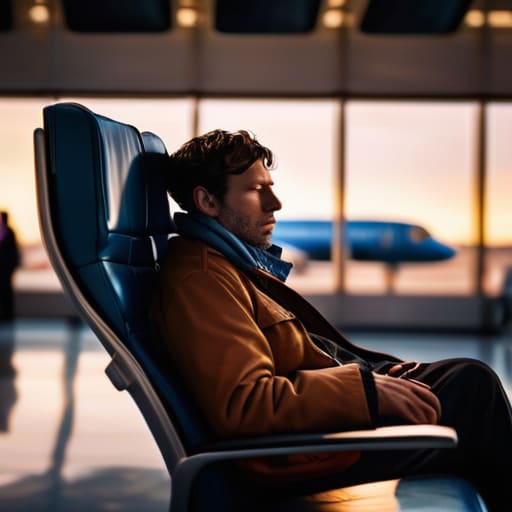
I remember sitting on a chipped wooden stool in a narrow alleyway in Hanoi, the scent of star anise and charred ginger heavy in the humid air, but I couldn’t even appreciate it. My eyes felt like they were filled with sand, and the vibrant chaos of the street market—usually my favorite place on earth—just felt like too much noise. That is the heavy, hollow reality of travel fatigue; it’s not just being sleepy, it’s a profound sense of being disconnected from the very world you traveled so far to see.
I’m not here to sell you on expensive magnesium supplements or a curated list of luxury spa retreats that cost more than your flight. Instead, I want to talk about how we actually navigate those gray, heavy days when the magic seems to have evaporated. I’ll be sharing the small, grounded rituals I use to find my footing again, from the way I choose my meals to the importance of intentional stillness. We’re going to look at how to listen to your body so you can get back to the real stories waiting in the streets.
Table of Contents
Combatting Airplane Fatigue Amidst the Hum of Engines

There is a specific kind of heaviness that settles in when you’ve been suspended in a pressurized metal tube for ten hours. It’s not just physical tiredness; it’s a mental fog that makes even the simplest decision, like whether to order tea or water, feel monumental. I’ve learned that combatting airplane fatigue starts long before the wheels leave the tarmac. I try to treat the cabin like a small, moving sanctuary. Instead of fighting the sleep deprivation with caffeine, I lean into the stillness, using noise-canceling headphones to drown out the constant, low-frequency drone that seems to vibrate right through your bones.
I also keep a strict ritual regarding hydration and travel exhaustion. I’ve realized that the dry, recycled air is a thief, stealing your energy before you even land. I carry a reusable bottle and make it a point to sip constantly, even when I don’t feel thirsty. It’s a small, disciplined act of self-care that helps mitigate the inevitable circadian rhythm disruption once I finally step out into a new time zone. It doesn’t make the flight perfect, but it makes the arrival feel a little more like a beginning and less like a battle.
Circadian Rhythm Disruption and the Lost Rhythm of Mornings

There is a specific kind of disorientation that happens when you wake up in a new city, only to realize your body is still living three time zones behind. It’s more than just being sleepy; it’s a profound sense of being unmoored. I’ve spent many mornings staring at the light filtering through linen curtains, feeling that heavy, foggy disconnect caused by circadian rhythm disruption. My internal clock is screaming for breakfast at midnight, while the local bakery is just beginning to scent the air with fresh sourdough.
When my rhythm is off, the simple act of choosing what to eat feels impossible. I find myself reaching for caffeine to mask the fog, which only complicates my post-travel recovery strategies. Instead, I’ve learned to lean into the slow pace of the morning. I try to find a small, sun-drenched cafe—not for a heavy meal, but to sit and let the natural light signal to my brain that the day has begun. It’s about gentle recalibration rather than forcing productivity, allowing my body to find its footing in this new landscape.
Small Rituals to Reclaim Your Senses
- I’ve learned that the quickest way to ground myself is through scent. When the sensory overload of a new terminal or a bustling station starts to feel like too much, I pull out that little notebook of mine. Finding a single, familiar smell—even if it’s just the sharp citrus of a street vendor’s fruit or the earthy scent of rain on pavement—helps pull me out of that foggy, dissociated headspace.
- Instead of reaching for another espresso to mask the exhaustion, I try to focus on real, slow hydration. There is something about the ritual of sipping warm tea in a quiet corner that does more for my nervous system than any caffeine kick ever could. It’s about signaling to my body that the frantic movement has paused.
- I try to avoid the temptation of “productive” sightseeing when my limbs feel like lead. If I’m hitting a wall, I permit myself to find a local grocery store or a small, nondescript bakery. Sitting there, watching the locals go about their morning, allows me to absorb the culture without the physical strain of a guided tour or a long hike.
- Movement shouldn’t feel like an errand. When the travel fatigue settles in, I avoid intense workouts and instead opt for a slow, aimless wander through a neighborhood. I let my feet decide the direction, focusing more on the texture of the cobblestones or the way the light hits a cafe window than on hitting a specific destination.
- I’ve become quite strict about my “buffer days.” I no longer schedule a big market visit or a museum trek the very morning after a long haul. I give myself twenty-four hours to just exist in a new space—to unpack, to find the local bread, and to let my internal clock catch up to the new coordinates.
Finding My Center When the World Moves Too Fast
Listen to your body’s quietest signals; sometimes a heavy limb or a sudden fog in the brain isn’t just tiredness, but a sign that you need to step away from the itinerary and just exist in a quiet cafe for an hour.
Reclaim your senses through small, grounding rituals, like the tactile weight of a notebook or the specific scent of a local market, to pull yourself out of the mental haze of constant movement.
Accept that rest isn’t a detour from your journey, but a necessary part of it—you can’t truly taste the culture if you’re too exhausted to actually be present for it.
The Weight of the Miles
There is a specific kind of exhaustion that doesn’t just sit in your muscles, but in your very sense of place—a heavy, blurring fog that settles in when you’ve spent too many days moving through transit hubs and not enough time simply sitting with the scent of a new city.
Anouk Verhoeven
Finding Your Ground Again

At the end of the day, managing travel fatigue isn’t about following a rigid checklist or forcing yourself to be a high-energy explorer when your body is clearly screaming for rest. It’s about recognizing the subtle signals—the heavy eyelids from a long flight, the disorientation of a shifted clock, or that specific kind of mental fog that settles in after too many days on the move. We have to learn to navigate the physical toll of the journey, whether that means prioritizing hydration over caffeine or allowing ourselves the grace to sit in a quiet cafe for an hour instead of rushing to the next landmark. Finding that balance between staying curious and staying rested is what ultimately keeps the adventure from feeling like a chore.
I’ve learned that the most profound moments rarely happen when we are sprinting from one museum to the next on pure adrenaline. Often, the real magic happens in the stillness we find when we finally stop fighting the exhaustion and just let ourselves be. When you stop viewing fatigue as an obstacle to your itinerary and start seeing it as a signal to slow down, the world opens up in a different way. The scent of rain on warm pavement or the steam rising from a bowl of local noodles becomes much more vivid when you aren’t too tired to notice them. Don’t be afraid to embrace the slow pace; sometimes, the best way to truly arrive is to first allow yourself to land.
Frequently Asked Questions
How do you manage to find decent, nourishing food when you're too exhausted to even look at a menu?
When my energy hits zero, I stop looking for “exciting” and start looking for “familiar.” I head straight for the local grocery store or a small, unpretentious bakery. There’s something grounding about a simple loaf of bread, some local cheese, and a piece of fruit. It’s low-effort, requires no decision-making, and feels more like a quiet ritual than a meal. Sometimes, the most nourishing thing is just something real and uncomplicated.
Are there any specific rituals or small habits you use to ground yourself when the constant movement starts to feel overwhelming?
When the constant motion starts to blur everything together, I turn to my senses. I’ll find a quiet corner of a local market, pull out my notebook, and just sit. I focus on the scent of crushed coriander or toasted sesame—small, grounding anchors. I also make it a point to buy one single, seasonal ingredient from a vendor and prepare it simply in my temporary kitchen. It’s a way of reclaiming my rhythm.
How do you distinguish between simple travel tiredness and the kind of burnout that makes you want to pack it all in and go home?
There’s a difference between the heavy limbs of a long flight and the hollow feeling in your chest. Simple tiredness usually fades after a hot shower and a real meal. But burnout? That’s different. It’s when the vibrant colors of a new market suddenly feel overwhelming rather than inviting, and the thought of choosing a menu feels like an impossible chore. If the curiosity that drives me is replaced by a quiet, heavy resentment toward the road, I know it’s time to stop moving.
