I remember sitting on a low stone wall in a small village outside of Oaxaca, watching an elderly woman tend to her patch of heirloom chilies. She didn’t have a bag of designer fertilizer or a high-tech irrigation system; she just had a deep, intuitive understanding of the dirt beneath her fingernails and the scent of damp earth after a rain. It made me realize how much we overcomplicate things in our quest for the perfect harvest. We get lost in expensive gadgets and complex chemical-free labels, but most of the “expert” organic gardening tips I see online feel more like marketing schemes than actual wisdom.
I’m not here to sell you a lifestyle or a subscription to a boutique seed company. Instead, I want to share what I’ve learned from observing gardens across different continents and getting my own hands dirty in small, urban plots. I’ll be providing you with honest, stripped-back advice that focuses on the connection between soil health and flavor. We’re going to skip the hype and focus on the simple, rhythmic realities of growing food that actually tastes like something.
Table of Contents
Nurturing Soul Through Soil Health Improvement
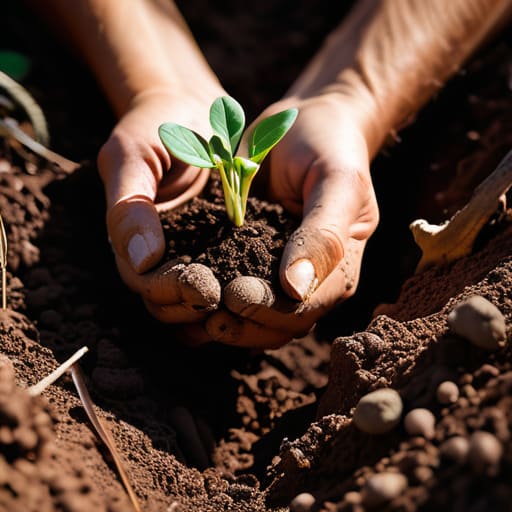
I’ve spent a lot of time in markets from Oaxaca to Marseille, and if there is one thing I’ve learned, it’s that the most vibrant produce always comes from a place where the earth feels alive. When I finally started my own small patch of dirt, I realized that focusing on the plant is a bit of a distraction; the real magic happens underground. To me, soil health improvement isn’t just a chore, it’s a slow, meditative way of listening to what the land actually needs.
Instead of reaching for anything synthetic, I’ve leaned into the messy, beautiful reality of composting. Using a high-quality organic fertilizer for plants—like well-rotted manure or even just kitchen scraps turned into liquid gold—feels much more aligned with the way nature actually works. It’s about building a tiny, invisible ecosystem right beneath your fingernails. There is something deeply grounding about knowing that the richness of your tomatoes isn’t coming from a bottle, but from the cycle of decay and rebirth happening in the dark, damp soil.
Finding Balance With Organic Fertilizer for Plants
I’ve learned through years of traveling that nothing is truly abundant without a delicate sense of equilibrium. It’s the same with a garden. When I first started my own little patch, I thought more was always better—more nitrogen, more compost, more everything. But I quickly realized that overfeeding is just as disruptive as neglect. Using organic fertilizer for plants isn’t about a heavy-handed application; it’s about a slow, rhythmic feeding that mimics the way nutrients cycle through a forest floor.
I tend to approach my garden like I approach a new city: I observe first. Instead of rushing to fix every yellow leaf with a store-bought liquid, I look for the underlying rhythm. Sometimes, a bit of seaweed extract or well-aged worm castings is all it takes to bring the vitality back. It’s part of those sustainable gardening practices that keep the ecosystem from swinging too wildly in one direction. When you find that middle ground, you aren’t just forcing growth; you’re participating in a quiet, seasonal conversation with the earth.
Small Rituals for a Thriving Patch
- I’ve learned that companion planting isn’t just a textbook concept; it’s about creating a tiny, functional ecosystem. Planting marigolds next to your tomatoes isn’t just for the color—it’s a natural way to keep the pests at bay without reaching for a chemical spray.
- Water your plants at the base, not the leaves. I used to think a heavy overhead soak was best, but it’s much like how we treat our own energy; it’s better to be steady and deep at the roots rather than superficial and wasteful.
- Don’t fear the weeds, but do learn to distinguish them. Some “invaders” actually help break up heavy soil, but keeping a regular rhythm of hand-pulling prevents them from stealing the nutrients your vegetables are working so hard to claim.
- Mulching is my favorite way to mimic the forest floor. A thick layer of straw or dried leaves acts like a protective blanket, keeping the moisture in the ground and the temperature stable, much like the way a well-loved cafe keeps its regulars feeling cozy.
- Observe the tiny details. Spend ten minutes every morning just looking—not for “tasks,” but for the small shifts in color or the way a leaf curls. Most garden problems are solved much more easily when you catch them in their quietest stage.
Lessons from the Dirt: What My Garden Taught Me
Think of your soil as a living, breathing ecosystem rather than just a medium for roots; when you nourish the microbes, the plants take care of themselves.
Skip the quick fixes of synthetic sprays and lean into the slow magic of organic compost, which builds flavor and resilience in a way chemicals never could.
Gardening is less about control and more about observation—learning to read the subtle shifts in your plants’ leaves is just as important as any fertilizer you can buy.
The Wisdom in the Wait
“Organic gardening isn’t about forcing a harvest; it’s about learning to listen to the rhythm of the earth, much like how a slow-cooked stew tells a better story than anything rushed on a stovetop.”
Anouk Verhoeven
The Slow Bloom of a Living Garden
At the end of the day, organic gardening isn’t about following a rigid checklist or achieving a sterile, perfect yield. It’s about the delicate interplay between the nutrients you feed your soil and the way you respect the natural rhythms of your local ecosystem. By focusing on building deep soil health and choosing organic fertilizers that work with nature rather than against it, you aren’t just growing food; you are cultivating a tiny, breathing ecosystem right outside your door. It takes patience to move away from the quick fixes of synthetic chemicals, but the reward is a garden that feels truly alive and resilient.
I often think back to the small herb gardens I encountered in the Mediterranean, where the dirt felt like a living history of everything that had come before. Gardening, much like traveling, teaches you that the most beautiful things often require a bit of mess and a lot of presence. Don’t be discouraged if a leaf yellows or a season feels heavy; these are just parts of the story. Instead, try to find the joy in the quiet, muddy rituals of the everyday. When you plant with intention, you aren’t just tending to a plot of land—you are reconnecting with the very pulse of the earth.
Frequently Asked Questions
How do I know if my soil is actually healthy or if I'm just seeing what I want to see?
It’s easy to get caught up in the aesthetics of a lush leaf, but true soil health is felt more than seen. I always look for the life beneath the surface. If you dig a handful of earth and find it’s dark, crumbly, and teeming with earthworms, you’re winning. If it feels gritty, lifeless, or smells like nothing at all, it’s just dirt. Real soil should smell like a forest floor after rain.
Is it possible to maintain an organic garden without it becoming an overwhelming, full-time job?
Honestly, I get it. When I was living in a small apartment in Lisbon, I used to dream of a garden, but the idea of it being a second job felt exhausting. The secret is to stop treating your garden like a chore and start treating it like a rhythm. Focus on perennials and mulching to do the heavy lifting for you. If you work with the seasons instead of fighting them, it becomes a quiet ritual, not a burden.
What are some easy ways to manage common pests without reaching for those harsh, synthetic sprays?
I’ve learned that a garden is a tiny, living ecosystem, and sometimes, a few bugs are just part of the conversation. Instead of reaching for harsh sprays, I’ve found success with simple, tactile solutions. A quick blast from the garden hose can dislodge aphids, or a gentle spray of diluted neem oil works wonders. I also love planting marigolds nearby; they act like little aromatic sentinels, keeping the unwanted guests at bay naturally.
