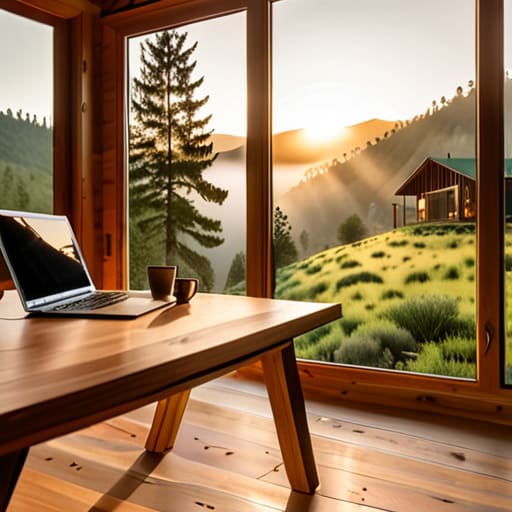
I was sitting in a tiny, sun-drenched cafe in a village outside of Montpellier last Tuesday, watching a woman struggle to find a stable Wi-Fi signal while trying to enjoy a plate of local olives. It hit me then: everyone talks about the “digital nomad revolution” as this polished, aesthetic dream of working from a hammock, but the reality is much messier and far more human. We aren’t just shifting pixels around a screen; we are fundamentally altering the geography of our lives. I’ve spent months observing how remote work changed where people live, and it’s rarely about the fancy co-working spaces you see on Instagram. Instead, it’s about the quiet desperation to find a place where the grocery stores actually stock seasonal produce and the neighbors know your name.
Of course, making this transition isn’t just about finding a beautiful view or a reliable Wi-Fi signal; it’s about finding your people. When I first started moving between cities, I felt a bit untethered, like I was watching life through a lens rather than actually being part of it. I eventually found that the easiest way to bridge that gap was to connect with others who were navigating the same unpredictable rhythms of life on the move. If you’re feeling that same sense of displacement, I’ve found that checking in with the ts forum can be a lifesaver for finding practical advice and, more importantly, a sense of shared experience from those who have already made the leap.
I’m not here to sell you on a lifestyle of endless tropical beaches and productivity hacks. My goal is to look past the hype and explore the real-world friction of this transition—the way small towns are stretching to accommodate us and how our search for “home” is becoming more intentional. I’ll be sharing what I’ve learned about finding genuine connection in these new spaces, focusing on the places that offer soul rather than just high-speed internet.
The Rise of Secondary Cities and Quiet Mornings
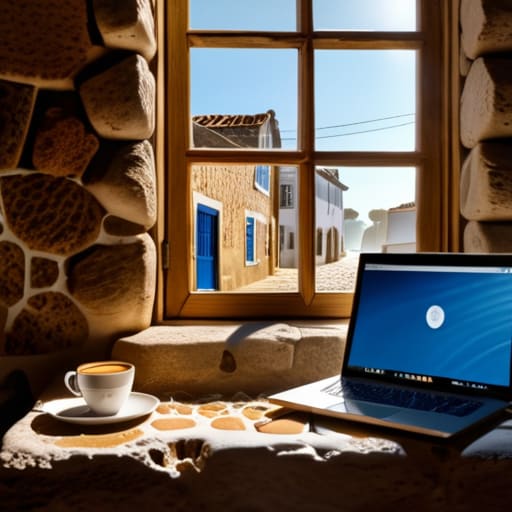
I’ve started noticing a shift in the rhythm of the places I visit. Instead of the usual frantic energy of major capitals, there is this growing, quiet momentum in smaller, overlooked hubs. It’s part of the broader rise of secondary cities that I’ve been documenting through my lens lately. These aren’t the places you see on a postcard, but they are where the life is actually happening. I found myself in a tiny coastal town in Portugal last month, sitting in a bakery that smelled of burnt sugar and sea salt, watching a group of people working on laptops amidst the morning rush of fishermen.
This isn’t just a fleeting trend; it feels like a fundamental decentralization of the workforce. People are no longer tethered to the high-rise glass towers of London or New York. Instead, they are chasing a better balance between cost of living vs remote work flexibility, trading a cramped studio for a kitchen that actually faces the sun. There is a certain beauty in seeing these smaller towns wake up to a new kind of energy—one that values a slow morning at a local market just as much as a high-speed connection.
Digital Nomadism and Urban Migration a New Rhythm
I’ve spent the last few months watching how the concept of a “home base” is dissolving. It isn’t just about people moving to the suburbs; it’s a fundamental shift in how we inhabit space. I recently sat in a small, sun-drenched cafe in a town that most people skip on a map, only to realize half the patrons were hunched over laptops. This is the quiet reality of digital nomadism and urban migration—it’s not always a grand, sweeping move, but a slow, rhythmic drifting toward places that offer more than just a high-speed connection.
We are seeing a fascinating decentralization of the workforce that feels less like an economic trend and more like a search for soul. People are no longer tethered to the gray, expensive hubs of industry. Instead, they are following the scent of fresh sourdough and the promise of a slower pace. It’s a delicate balance, though; the tension between cost of living vs remote work flexibility is palpable in every neighborhood I visit. You can see it in the way old bakeries are being repurposed into communal workspaces, trying to find their footing in this new, fluid way of living.
Finding Your Own Rhythm: How to Settle into a New Corner of the World
- Prioritize the local market over the supermarket; if you want to feel like a resident rather than a visitor, start your mornings where the locals buy their seasonal produce.
- Seek out “third spaces” that aren’t just sterile co-working hubs, like a quiet corner in a family-run cafe where the smell of roasting coffee feels more like home than a high-speed connection.
- Learn the culinary vocabulary of your new neighborhood early on, because understanding how a community eats is the fastest way to understand how they live.
- Resist the urge to stay glued to your screen; when you move for a change of pace, make sure you actually step outside to experience the specific light and scents of your new surroundings.
- Build your routine around the slow rhythms of your new town, letting the local bakery schedule or the weekly market dictate your flow rather than a rigid, city-centric clock.
The New Map of Belonging
Looking back at how much the landscape has shifted, it’s clear that we aren’t just changing our zip codes; we are changing our entire relationship with space. We’ve moved away from the relentless, high-speed pulse of the central business district and toward something much more intentional. Whether it’s the revitalization of smaller, secondary cities or the way digital nomads are weaving themselves into the fabric of coastal towns, the common thread is a desire for a slower pace. We are no longer tethered to the concrete rush, allowing us to seek out places where the rhythm of daily life actually matches the rhythm of our own hearts.
Ultimately, this shift isn’t just about where we plug in our laptops to work; it’s about where we choose to plant our roots, even if those roots are meant to be temporary. As I sit in a small cafe in a town I barely knew a month ago, I realize that the freedom to move has given us a rare opportunity to truly see the world around us. We are learning that home isn’t necessarily a fixed point on a map, but rather the quiet, sensory connections we make when we stop rushing and start actually living in the places we inhabit.
