Category: Wellbeing

  • The Benefits of Community Gardening

    The Benefits of Community Gardening

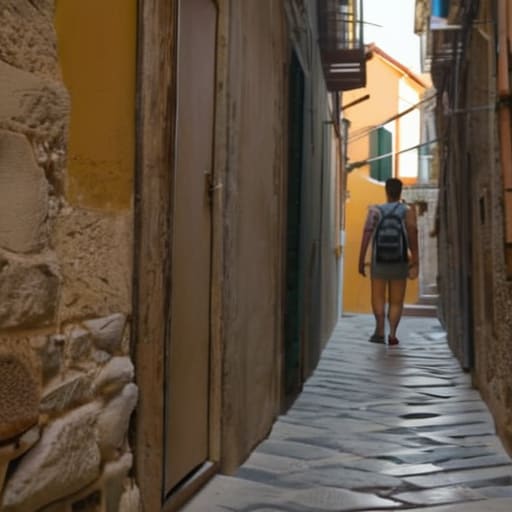
    I was kneeling in a patch of damp, dark earth in a narrow alleyway in Marseille, my fingers stained with grit and the sharp, peppery scent of crushed basil, when it finally clicked. I wasn’t just growing herbs; I was participating in a quiet, rhythmic conversation with the people around me. Most people think community gardening is some polished, aesthetic lifestyle trend designed for curated Instagram feeds, but that’s a lie. The reality is much messier—it’s about bruised knees, shared watering cans, and the unfiltered chaos of trying to make something grow in a concrete jungle.

    I’m not here to give you a sanitized manual on urban horticulture or sell you on some expensive, boutique seed starter kit. Instead, I want to share what I’ve learned from the dirt up: how these small, shared plots actually function as the beating heart of a neighborhood. I’ll walk you through the practical, unglamorous side of getting involved, from navigating local politics to the simple joy of trading a surplus of radishes for a bit of local wisdom. This is about finding real connection through the soil, one harvest at a time.

    Table of Contents

    Nurturing Neighborhood Food Security in Small Urban Plots

    Nurturing Neighborhood Food Security in Small Urban Plots

    It’s easy to look at a tiny, reclaimed patch of dirt between two brick apartment buildings and see nothing but a patch of weeds. But when I sat down with Elias, a man who has tended this specific corner for a decade, he showed me how these small pockets are actually the backbone of neighborhood food security. He wasn’t talking about feeding a whole city, but about the dignity of knowing that the kale and radishes on your table didn’t travel three thousand miles in a refrigerated truck. These plots turn “food deserts” into something tangible, ensuring that even in the densest concrete jungles, fresh produce isn’t a luxury reserved for those with a zip code that supports high-end grocers.

    Beyond the harvest, there is a quiet, rhythmic strength in shared garden management. I watched a group of teenagers helping an elderly neighbor prune her tomato vines, a seamless exchange of energy that felt more vital than any urban planning seminar. By integrating sustainable urban agriculture into our daily lives, we aren’t just growing vegetables; we are building a resilient, localized network that keeps the community’s pulse steady, even when the world outside feels increasingly disconnected.

    The Quiet Magic of Therapeutic Horticulture and Shared Soil

    The Quiet Magic of Therapeutic Horticulture and Shared Soil.

    There is a specific kind of silence that exists in a garden, even one tucked between concrete apartment blocks. It isn’t a void, but rather a soft, rhythmic hum of bees and the scrape of a trowel against earth. Last Tuesday, I sat near the rosemary bushes, watching an elderly man meticulously prune tomato vines. He wasn’t just tending to plants; he was practicing a form of therapeutic horticulture that seemed to steady his breathing and slow the frantic pace of the city around him.

    In these small, shared spaces, the act of digging becomes a way to ground yourself when the world feels too loud. There is a profound, unspoken bond formed through shared garden management, where the struggle to keep a stubborn patch of kale alive becomes a common language. You realize that you aren’t just growing vegetables; you are cultivating a sense of belonging. It’s in these quiet, dirt-under-the-fingernails moments that the true communal garden benefits reveal themselves—not as statistics on a city planning report, but as a shared, living pulse that makes a neighborhood feel like a home.

    A Few Notes from the Dirt: How to Actually Get Started

    • Don’t go it alone. The soul of a community garden isn’t the vegetables; it’s the people. Find a local plot, show up, and listen more than you talk. Most gardeners are more than happy to share their secrets if you ask with genuine curiosity.
    • Start small and keep it simple. It’s tempting to try and grow an entire heirloom orchard in your first season, but I’ve learned the hard way that a few sturdy pots of basil and some hardy kale are much more rewarding than a neglected patch of ambitious, dying tomatoes.
    • Learn the rhythm of your specific soil. Every neighborhood has its own microclimate and its own quirks. Spend your first few weeks just observing—how the light hits the corner at noon, or how the wind whips through the alley—before you even think about digging.
    • Embrace the mess. A perfect, sterile garden is a dead garden. Real community plots are full of weeds, uneven paths, and unexpected visitors. Let the space breathe; the most interesting things usually grow in the gaps you didn’t plan for.
    • Pack the essentials. If you’re heading down to a shared plot, bring more than just your gloves. A small notebook to jot down what’s blooming, a decent camera for those fleeting golden hours, and maybe a little extra water to share with a neighbor can go a long way.

    What the Soil Taught Me

    Community gardens are more than just patches of green; they are living, breathing maps of a neighborhood’s heritage, where a single heirloom tomato can spark a conversation about family history and migration.

    Beyond the harvest, these spaces offer a rare, slow rhythm in a fast-paced city, teaching us that true connection often requires the patience to let things grow at their own pace.

    When we invest in communal plots, we aren’t just growing food; we are reclaiming our right to know where our nourishment comes from and who we are sharing it with.

    More Than Just Vegetables

    “There is a specific kind of intimacy that happens when you’re both kneeling in the dirt, hands stained with soil, realizing that a single shared plot of land can feed a neighborhood’s stomach and its soul all at once.”

    Anouk Verhoeven

    More Than Just a Harvest

    Community garden: More Than Just a Harvest.

    Looking back at everything we’ve discussed, it’s clear that these small, patchworked plots of land are doing so much more than just producing a few extra kilos of kale or heirloom tomatoes. They are practical lifelines for urban food security, offering a way to bypass the sterile aisles of a supermarket, and they serve as vital, grounding spaces for our own mental well-being. When we step into a community garden, we aren’t just tending to plants; we are tending to the social fabric of our neighborhoods, turning concrete corners into places where people actually see and recognize one another.

    As I sit here in my notebook, trying to capture the scent of damp earth and crushed mint, I’m reminded that the most profound connections aren’t always found in grand monuments or famous museums. Sometimes, they are found in the dirt under our fingernails and the shared silence of a morning spent weeding alongside a stranger. I hope that the next time you pass a fence draped in climbing beans or see a cluster of raised beds in a vacant lot, you don’t just see a hobby. I hope you see an invitation to belong.

    Frequently Asked Questions

    How much time and space do I actually need to commit to a plot if I'm just starting out?

    Honestly, I used to think you needed a sprawling backyard and a full-time commitment to make this work, but that’s a recipe for burnout. Start small. Even a single raised bed or a few sturdy pots on a sunny windowsill can be enough to get your hands dirty. Aim for maybe two hours a week—mostly just watering and a bit of weeding—and see how it feels. It’s about the rhythm, not the scale.

    Is there a way to join these gardens if I don't have a green thumb or much gardening experience?

    Honestly, don’t let a lack of “green thumb” stop you. Most of these spaces thrive on people who are willing to show up rather than those who already know everything. I’ve spent many afternoons in community plots just helping with the heavy lifting—moving mulch or weeding—and learned more from the regulars than any textbook. Just show up, offer a hand, and listen. The soil has a way of teaching you as you go.

    How do these small urban plots actually manage to provide enough food to make a difference in a neighborhood?

    It’s not about feeding the whole city, but it’s about more than just a few salads. These plots work through sheer, concentrated density. By using vertical planters and intensive companion planting, a tiny patch of dirt can produce a surprising amount of high-yield greens, herbs, and seasonal veggies. It’s less about massive harvests and more about filling the gaps—ensuring a neighbor has fresh basil for their sauce or tomatoes that actually taste like something.

  • Exploring Wellness Through Sensory Experiences

    Exploring Wellness Through Sensory Experiences

    Last Tuesday, I found myself sitting on a plastic stool in a narrow alleyway in Oaxaca, my notebook open and my pen hovering. I wasn’t looking for the “must-see” landmarks or the curated, Instagrammable viewpoints that travel brochures love to push. Instead, I was trying to capture the specific, heavy scent of toasted cacao and dried chilies that seemed to hang in the humid air like a blanket. We often talk about a sensory experience as if it’s something you can purchase with a luxury spa voucher or a guided tour, but that’s a lie. Real immersion isn’t something you buy; it’s something you stumble into when you finally stop looking at a map and start paying attention to the grit under your fingernails and the rhythmic thud of a tortilla maker’s hands.

    I’m not here to give you a list of the most expensive sights in Europe or tell you which perfumes to wear to “feel” like a local. My promise to you is much simpler and, I think, much more useful. I want to show you how to strip away the tourist fluff and find the true heartbeat of a place through its kitchens, its markets, and its quietest corners. We’re going to talk about how to actually listen to a city, ensuring your travels feel less like a checklist and more like a life lived.

    Table of Contents

    The Olfactory System and Memory Scenting the Streets of Hanoi

    The Olfactory System and Memory Scenting the Streets of Hanoi

    I remember sitting on a low plastic stool on a narrow Hanoi sidewalk, the humidity pressing against my skin like a warm weight. Suddenly, a plume of smoke from a nearby charcoal grill drifted past—a heavy, intoxicating mix of charred pork, star anise, and fermented fish sauce. It wasn’t just a smell; it was a physical pull. This is the power of the olfactory system and memory at work. Scientists often talk about how scent bypasses the usual processing centers of the brain to hit the emotional core directly, and in that moment, I wasn’t just a traveler observing a scene; I was suddenly, viscerally connected to the history of that street.

    My little notebook was out, not for the sights, but to capture that specific, sharp tang of lime zest cutting through the heavy steam. There is a certain multisensory integration happening when you eat street food—the heat of the broth, the crunch of fresh herbs, and that overwhelming aroma all collide. For me, these scents act as a way of anchoring myself to the present, providing a natural sense of grounding amidst the beautiful chaos of a city that never seems to stop moving.

    Multisensory Integration How a Shared Meal Connects Us

    Multisensory Integration How a Shared Meal Connects Us

    There is a specific kind of magic that happens when the noise of a crowded dining room suddenly fades into the background, leaving only the weight of a ceramic bowl in your hands and the steam rising against your face. This isn’t just about hunger; it’s a profound example of multisensory integration in action. When I sit at a communal table in a dim Lisbon tavern, my brain isn’t just processing flavors. It is simultaneously mapping the rough texture of the sourdough, the amber glow of the candlelight, and the low hum of local chatter.

    In these moments, the meal becomes a way to anchor myself. I’ve found that focusing on these layered inputs serves as one of the most effective grounding techniques for anxiety when traveling through unfamiliar territory. Instead of spiraling into the “what ifs” of a new city, I lean into the tactile reality of the present. The cool condensation on a glass of wine or the warmth of a shared plate forces a certain sensory processing awareness that pulls me out of my head and back into my body. It’s where the connection truly happens—not just between people, but between the traveler and the world.

    How to actually feel a place (instead of just seeing it)

    • Put the phone away for at least twenty minutes every morning. I know, it sounds radical, but when you’re constantly framing a shot for Instagram, you’re looking through a glass barrier. You miss the way the humidity feels on your skin or the specific, heavy silence of a city before the traffic starts.
    • Follow your nose, not your GPS. If a street looks beautiful but smells like nothing, keep walking. The best stories—and the best meals—are usually tucked down alleys that smell of toasted garlic, fermented shrimp paste, or woodsmoke. If the air has a scent, the place has a soul.
    • Eat with your ears. When I sit down in a new cafe, I don’t just focus on the flavor. I listen to the rhythm of the room: the clink of heavy ceramic spoons against bowls, the low hum of local gossip, the hiss of an espresso machine. It turns a meal into a soundtrack.
    • Carry a tactile souvenir. Instead of buying plastic trinkets, look for textures. Find a rough-hewn linen napkin from a local market or a heavy, hand-thrown ceramic bowl. Holding something physical later helps pull those sensory memories back to the surface when you’re stuck in a sterile apartment.
    • Notice the “in-between” moments. We often hunt for the big, cinematic views, but the real magic is in the small stuff—the grit of sand under your sandals, the coolness of a stone wall in a shaded courtyard, or the way the light changes right before a summer storm. That’s where the city actually lives.

    Finding the Heart of a Place

    True immersion isn’t found in a guidebook, but in the sensory layers—the smells, sounds, and textures—that reveal a city’s authentic rhythm.

    Food acts as a universal bridge, turning a simple meal into a profound moment of human connection and cultural understanding.

    Slowing down to notice the small, unscripted details allows us to move from being mere tourists to feeling like we are truly living in a new space.

    The Texture of Memory

    We try so hard to capture cities through a lens, but a photograph can’t tell you how the humidity clings to your skin or the way the smell of charred garlic can suddenly make a foreign street feel like home.

    Anouk Verhoeven

    Beyond the Surface

    Sensory travel experiences: Beyond the Surface.

    Looking back at the chaos of the Hanoi markets or the quiet intimacy of a shared table, it becomes clear that travel isn’t just about checking landmarks off a list. It’s a full-body experience. We’ve seen how the scent of star anise can instantly transport us back to a specific street corner, and how the texture of a meal can bridge the gap between strangers. When we engage all our senses, we stop being mere spectators of a culture and start becoming participants in its rhythm. It is through this sensory layering—the sound of a sizzling wok, the humidity on our skin, the bitter sting of espresso—that we truly begin to decode the soul of a place.

    So, the next time you find yourself in a new city, I encourage you to put the map away for an hour. Don’t just look at the architecture; listen to the way the wind whistles through the alleyways and let your nose lead you toward the nearest kitchen. The most profound stories aren’t found in guidebooks, but in the unscripted, sensory fragments that stick to your memory long after you’ve unpacked your suitcase. Travel isn’t about seeing everything; it’s about feeling everything exactly as it is.

    Frequently Asked Questions

    How do you manage to stay present in such overwhelming environments without getting sensory overload?

    Honestly, it’s a constant practice. When the noise of a market or the crush of a crowd starts to feel like too much, I retreat into my notebook. I’ll find a quiet corner, maybe a small cafe away from the main drag, and just focus on one single thing—the texture of the paper or the specific aroma of roasted coffee. It grounds me. I try to pick one sensory thread to follow rather than letting everything hit at once.

    Are there specific ways to practice "mindful eating" when you're traveling and everything is new?

    I’ve found that the best way to practice mindfulness isn’t through formal meditation, but through radical curiosity. When I’m in a new place, I try to silence the urge to just “consume” the meal. I’ll sit for five minutes before the first bite, just observing the steam rising or the texture of the ceramic bowl. I ask myself: Where did this ingredient come from? It turns a meal into a conversation.

    Do you have any tips for capturing these fleeting sensory moments through photography when you can't actually photograph a smell or a sound?

    I’ve spent many afternoons staring at my film rolls, wishing I could develop the sound of a bustling market or the scent of roasting coffee. Since I can’t, I focus on the “visual echoes.” I look for the steam rising from a bowl, the way a vendor’s hands are weathered by salt, or the specific way light hits a pile of bruised peaches. I try to photograph the texture of the moment.

  • Integrating Movement Snacks Into Your Workday

    Integrating Movement Snacks Into Your Workday

    I was sitting in a cramped, sun-drenched café in Marseille last month, nursing a lukewarm espresso and staring at a laptop screen that felt more like a cage than a tool. My back was aching with that specific, dull stiffness that comes from being tethered to a desk for six hours straight, and all I could think about was the ridiculous wellness influencer I’d seen earlier that morning preaching about intensive hour-long gym rituals as the only way to stay fit. It felt so disconnected from the reality of a life lived in transit. We don’t always have the luxury of a pristine studio or a ninety-minute window; sometimes, we just need movement snacks—those tiny, stolen moments of motion that bridge the gap between sitting still and feeling completely stagnant.

    I’m not here to sell you a grueling new fitness regime or a subscription to a high-tech wellness app. Instead, I want to share how I integrate small, intentional bursts of activity into my own unpredictable schedule, whether I’m navigating a crowded street market or working from a tiny studio apartment. I promise to show you how to find vitality in the in-between moments, focusing on simple, grounded ways to keep your body feeling alive without needing a single piece of specialized equipment.

    Table of Contents

    Small Bursts of Exercise to Reclaim Your Natural Rhythm

    Small Bursts of Exercise to Reclaim Your Natural Rhythm

    When I’m working from a tiny cafe in Lisbon or a cramped apartment in Berlin, I notice how easily my body begins to feel like part of the furniture. We weren’t built to be tethered to a desk for eight hours straight, yet our modern world demands it. I’ve started looking at breaking up sitting time not as a chore, but as a way to reset my internal compass. It’s less about a grueling gym session and more about those short bursts of exercise—a quick stretch toward the ceiling or a few calf raises while the espresso machine hums in the background.

    These tiny interludes act as a much-needed recalibration. Instead of waiting for a massive block of time to “workout,” I integrate small, intentional movements into the gaps of my day. Whether it’s a few simple office mobility drills between emails or a brisk walk to the corner bakery, these moments help me shake off that stagnant, heavy feeling. It’s about reclaiming a sense of flow and honoring the body’s need for constant, gentle motion.

    Breaking Up Sitting Time Like a Slow Morning Ritual

    Breaking Up Sitting Time Like a Slow Morning Ritual

    I’ve spent too many afternoons hunched over a laptop in dim cafes, my spine curving into a question mark while I chase a deadline. It’s a heavy, stagnant feeling, almost like the air in a room that hasn’t been opened in weeks. We often treat our workdays as these long, unbroken stretches of stillness, but our bodies weren’t built for such linear endurance. I’ve started looking at breaking up sitting time much like I approach a slow morning in a new city—not as a chore to be checked off, but as a way to reintroduce life into the space.

    Instead of waiting for the end of a grueling eight-hour stint to finally stretch, I try to integrate tiny, intentional transitions. Think of it as a series of micro-recoveries. Whether it’s a quick set of office mobility drills while waiting for the kettle to boil or simply standing up to pace while I dictate a note, these moments act as a reset button. It isn’t about intense training; it’s about finding sedentary lifestyle solutions that feel as natural as taking a breath.

    Five Ways to Weave Motion into the Fabric of Your Day

    • Treat a quick stretch like a sensory palate cleanser. When you feel that mid-afternoon mental fog settling in, don’t reach for more caffeine; instead, stand up and reach for the ceiling, letting the tension leave your shoulders just like a heavy meal leaves the stomach after a long walk.
    • Use your transit time as a moving meditation. If you’re waiting for a train or a bus, instead of burying your nose in your phone, practice a few subtle calf raises or simply shift your weight from side to side—small, intentional movements that keep your blood from feeling stagnant.
    • Link movement to your existing rituals. I like to pair a few deep lunges with the time it takes for my pour-over coffee to bloom. It turns a mundane wait into a tiny, restorative burst of energy that sets the tone for the morning.
    • Find the “micro-walks” hidden in your schedule. Even a three-minute stroll to the far end of the street to check out a local market stall or a new flower shop counts. It’s not about the distance; it’s about breaking the physical spell of sitting still.
    • Listen to your body’s subtle cues. Sometimes a “movement snack” isn’t a stretch at all, but simply a change in posture. Think of it as adjusting your lens when taking a photo—a tiny, necessary tweak to ensure everything stays in focus and feels right.

    Finding Your Own Tempo

    Stop viewing movement as a chore to be checked off a list; instead, treat these tiny bursts of motion like a palate cleanser between heavy courses—a way to reset your senses and your body.

    Consistency matters more than intensity. You don’t need a grueling hour at the gym to feel human again; you just need to honor the small, quiet rhythms that keep your energy from stagnating.

    Listen to your own internal clock. Whether it’s a stretch while your coffee brews or a quick walk through a local market, the best movement snacks are the ones that feel like a natural part of your day, not an interruption.

    The Rhythm of the Small Things

    We often treat fitness like a grand, exhausting expedition, but I’ve learned that vitality is actually found in the small, unscripted pauses—those tiny bursts of motion that feel less like a workout and more like a deep, necessary breath between the chapters of a long day.

    Anouk Verhoeven

    Finding Your Own Pace

    Finding Your Own Pace with movement snacks.

    At the end of the day, movement snacks aren’t about hitting a personal best or following a rigid, grueling fitness regime. It’s about the small, intentional shifts—the quick stretch while your coffee brews, the walk around the block to clear your head, or the simple act of standing up every time you finish a chapter of a book. We’ve spent so much time viewing health as a destination we reach through intense, isolated bouts of effort, but I’ve learned that true vitality lives in the transitions. By weaving these tiny bursts of motion into the fabric of our day, we stop treating our bodies like machines that need to be “fixed” and start treating them like living, breathing parts of our environment.

    As I move from one city to the next, I’ve realized that the most beautiful parts of life rarely happen when we are rushing toward a goal; they happen in the quiet, rhythmic spaces in between. Don’t wait for a gym membership or a perfect hour of free time to reclaim your connection to your body. Instead, look for the small, quiet opportunities to move right where you are. Whether it’s a momentary pause in a crowded market or a slow stretch in a sunlit kitchen, these tiny gestures are how we stay grounded in the present moment.

    Frequently Asked Questions

    How do I actually fit these tiny bursts of movement into a day when I'm stuck in back-to-back meetings or traveling on a train?

    It’s easy to feel trapped by a schedule, but I’ve learned that movement doesn’t need a gym—it just needs an opening. When I’m stuck on a train, I focus on subtle stretches or even just mindful breathing to reset. In back-to-back meetings, try a quick calf raise under the desk or a momentary postural shift. Think of these as tiny, restorative pauses, much like a quick espresso in a crowded plaza, to keep you grounded.

    Do these "snacks" actually count if they only last a few minutes, or am I just delaying the inevitable need for a real workout?

    I get this question a lot, and it’s a fair one. It feels like we’re cheating, doesn’t it? But think of it like seasoning a dish. You wouldn’t call a pinch of sea salt “fake cooking” just because it isn’t the main course—it’s what makes the whole thing work. These snacks aren’t a replacement for a long hike or a gym session, but they stop the stagnation from setting in. They keep your rhythm alive.

    Are there ways to do this without feeling self-conscious or like I'm making a scene in a quiet cafe or a crowded workspace?

    The fear of looking “weird” is real, especially when you’re trying to stay low-key in a crowded space. I’ve found that the best movement snacks are the ones that look like natural shifts in posture. Instead of a full stretch, try a slow roll of your shoulders or a subtle calf raise while waiting for your coffee. It’s less about a workout and more about a quiet, private recalibration.