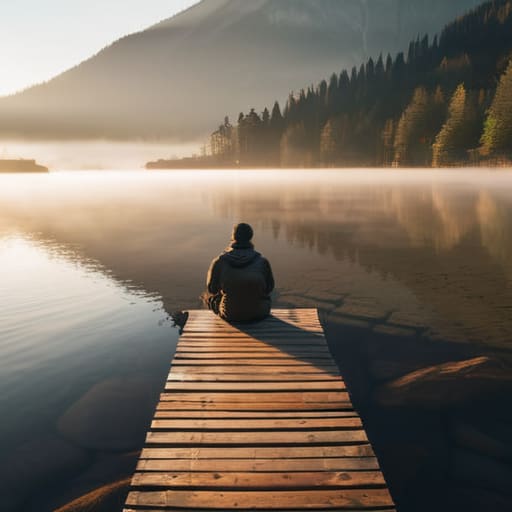
I was sitting in a tiny, steam-filled kitchen in Oaxaca last autumn, the scent of toasted chilies and damp earth clinging to my clothes, when I realized I hadn’t spoken a word to another soul in three days. There is this persistent, polished myth that travel solitude has to be this grand, cinematic journey of self-discovery—the kind you see in glossy magazines where everyone looks perfectly poised while staring at a mountain range. But the reality is often much messier: it’s the awkward silence at a communal table, the strange vulnerability of eating a bowl of soup alone in a crowded market, and that unexpectedly heavy feeling of being completely untethered from your usual life.
I’m not here to sell you a romanticized version of loneliness or a checklist of “spiritual awakenings.” Instead, I want to talk about the actual, unvarnished experience of navigating the world on your own terms. I’ll be sharing what I’ve learned from years of living out of a suitcase—from the practicalities of finding connection when you’re solo, to the quiet magic of finally hearing your own thoughts over the roar of a foreign city.
Table of Contents
Finding Peace in Remote Destinations Over Warm Bread
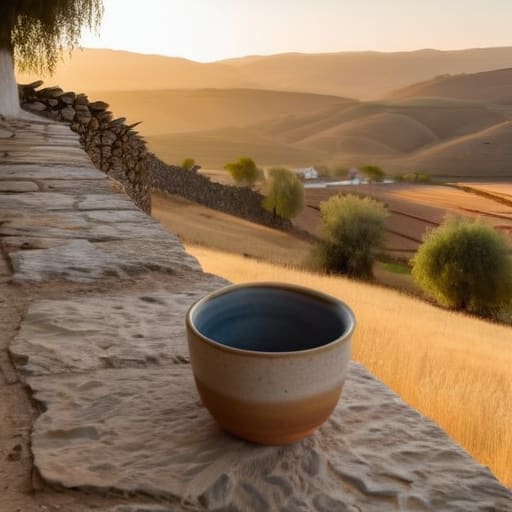
There is a specific kind of stillness that only exists when you are miles away from the nearest paved road. Last month, I found myself in a tiny village in the Alentejo region of Portugal, where the only sound was the wind brushing through scorched grass and the occasional clink of a ceramic plate. While some travelers seek out the constant buzz of a city, I’ve realized that finding peace in remote destinations often requires a willingness to trade convenience for silence. It isn’t always easy; there are moments when the silence feels heavy, but that is usually when the real work begins.
In these isolated pockets of the world, the distractions of my digital life simply evaporate. Without a crowd to perform for or a schedule to keep, I find myself leaning into the psychology of solo journeys—the way being alone forces you to actually listen to your own thoughts. I spent an entire afternoon sitting on a stone wall, eating nothing but a crust of sourdough and some local sheep’s cheese, watching the light shift over the hills. It wasn’t about the food, though the bread was incredible; it was about the rare, unhurried ability to just be.
The Psychology of Solo Journeys in Crowded Markets
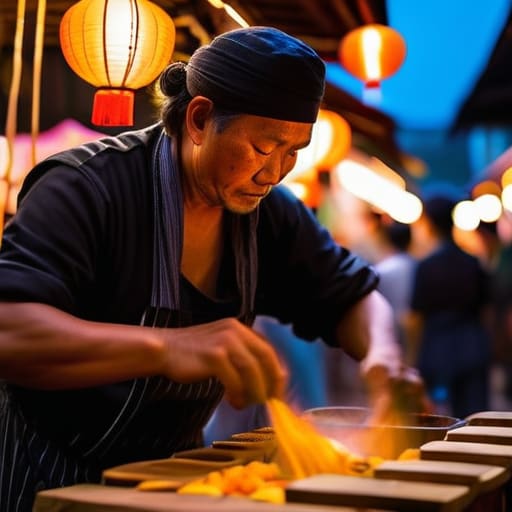
There is a strange, beautiful tension in being completely alone while surrounded by a thousand moving bodies. When I find myself in the middle of a bustling night market in Taipei or a spice souk in Marrakech, I’m not looking for an escape from people, but rather a way to observe them without the filter of conversation. There is a specific psychology of solo journeys that takes hold in these chaotic spaces; because I am not preoccupied with checking in with a companion, my senses sharpen. I notice the rhythmic chop of a cleaver against a wooden block or the way a vendor’s hands move with practiced grace.
It can feel overwhelming at times, and I’ll admit that managing loneliness while traveling often means leaning into that sensory overload to keep from feeling adrift. But in that friction between my own stillness and the crowd’s momentum, I find a unique kind of clarity. I’m not just a spectator; I’m a participant in the city’s heartbeat, experiencing a form of self-discovery through wandering that you simply can’t replicate when you’re busy talking.
Small Rituals for Navigating the Quiet Moments
- Carry a physical notebook, not just for thoughts, but for sensory anchors. When the solitude feels a bit too heavy, I stop to write down the exact scent of a spice stall or the way the light hits a coffee cup; it pulls me out of my head and back into the world.
- Learn the art of the “single-person table.” Instead of feeling awkward, I look for those small, narrow counters in local eateries. It’s the best seat in the house for people-watching without the pressure of conversation.
- Schedule “unstructured wandering” into your itinerary. Don’t fill every hour with a landmark or a museum. Leave gaps where you can simply exist in a new city, letting your feet decide where the interesting smells are coming from.
- Use food as your social bridge. If you’re feeling lonely, sit at a communal table or ask a vendor about a specific ingredient. You don’t need a long conversation; a simple, honest question about a local dish is often enough to feel connected to the pulse of the place.
- Embrace the discomfort of the “in-between” moments. There will be times in train stations or quiet plazas where you feel entirely adrift. Don’t rush to pull out your phone to escape it. Sit with the stillness; that’s usually when the real observations begin.
Lessons from the Table: What Solitude Taught Me
Solitude isn’t about being lonely; it’s about having the mental space to actually taste the spices and hear the stories that a group of loud friends would inevitably drown out.
Eating alone in a foreign place forces you to stop performing and start observing, turning a simple meal into a deep dive into the local rhythm of life.
The most profound connections often happen in the quiet gaps between destinations, where you finally learn to trust your own instincts instead of a guidebook.
The Quiet Between the Bites
There’s a specific kind of clarity that only comes when you’re sitting alone at a scarred wooden table, stripped of small talk, letting nothing stand between you and the steam rising from a bowl of soup and the raw, unedited rhythm of a city you’re just passing through.
Anouk Verhoeven
The Quiet Return
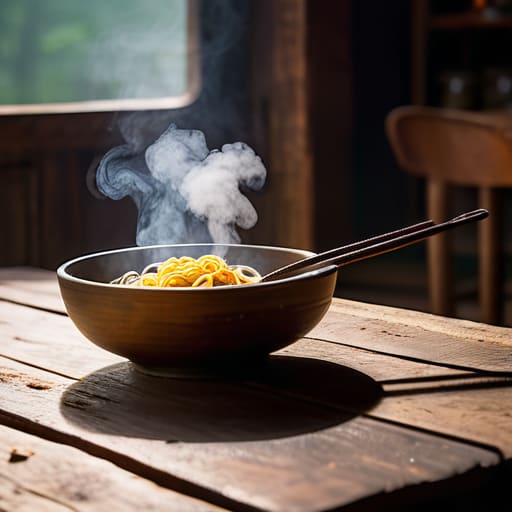
Looking back on these moments—whether it was the stillness of a mountain village or the chaotic rhythm of a spice market—I realize that solitude isn’t about being lonely. It’s about creating the space necessary to actually taste what is in front of you. When we travel with others, we often view the world through a shared lens, filtering our experiences through conversation and compromise. But when you sit alone with a bowl of steaming noodles or a piece of crusty bread, the barrier between you and the culture begins to dissolve. You stop being a spectator and start becoming a quiet participant in the local life, absorbing the scents, the sounds, and the subtle textures of a place without distraction.
Ultimately, I’ve learned that the most profound connections aren’t always made with people; sometimes, they are made with the places themselves. Solitude gives us the permission to be completely present, allowing us to find ourselves in the steam of a small cafe or the salt air of a coastal town. So, the next time you find yourself navigating a new city on your own, don’t rush to find a companion or a group tour. Instead, find a small corner, pull out your notebook, and let the world unfold at its own pace. You might just find that the most important conversation you have is the one you have with yourself.
Frequently Asked Questions
How do you handle those heavy, lonely moments when the silence of a remote place feels a bit too loud?
I usually reach for my notebook. When that heavy silence starts to feel a bit too much, I stop trying to outrun it and instead try to ground myself in the sensory details. I’ll sit still and focus on the smell of damp earth or the specific way the light hits a chipped ceramic bowl. It turns the loneliness from something empty into something observant—a quiet way to actually listen to the place.
Do you find it difficult to connect with locals when you don't have a travel companion to bounce observations off of?
Honestly, it’s more of a trade-off than a difficulty. Without a companion to nod along to my observations, I sometimes feel the urge to turn to someone and say, “Did you smell that?” But that silence is where the magic happens. It forces me to actually engage. Instead of retreating into a private conversation with a friend, I find myself making eye contact with the baker or striking up a quiet conversation with the person at the next table.
Is there a way to balance the need for solitude with the desire to experience the communal energy of a shared meal?
I’ve found that the best way to bridge that gap is to seek out “communal solitude.” I love finding a seat at a long, communal table in a bustling family-run trattoria or a busy ramen shop. You aren’t forced into conversation, but you’re wrapped in the warmth of shared hunger and the rhythmic clatter of plates. You get to witness the collective energy without having to perform for anyone.
