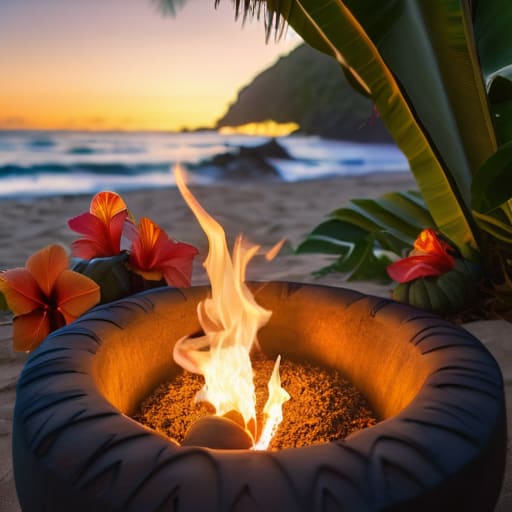
I still remember the smell of singed coconut and damp earth from a small, makeshift gathering in a backyard in Hilo—the kind of place where the smoke from the imu clings to your clothes and the laughter feels unscripted. It was a stark contrast to the polished, neon-lit version of a hawaiian luau I’d seen in glossy travel brochures, where the food feels secondary to the choreographed spectacle. I realized then that when you chase the big-name productions, you often end up paying a premium to watch a performance rather than participating in a culture.
I’m not here to give you a list of the most Instagrammable resorts or the most expensive buffet lines in Waikiki. Instead, I want to help you find the authentic pulse of these gatherings, whether that’s through understanding the traditional methods of slow-cooking in the earth or knowing how to spot a meal that actually honors the land. My goal is to guide you toward the quiet, delicious moments that make a hawaiian luau feel less like a tourist checkbox and more like a genuine connection to the islands.
Table of Contents
- The Earth Oven Magic of Traditional Kalua Pig Preparation
- Honoring Oceanic Heritage Festivities Through Shared Stories
- How to Find the Heart of the Feast (And Avoid the Tourist Traps)
- What I’ve Learned About the True Spirit of a Luau
- More Than Just a Feast
- The Heartbeat of the Feast
- Frequently Asked Questions
The Earth Oven Magic of Traditional Kalua Pig Preparation
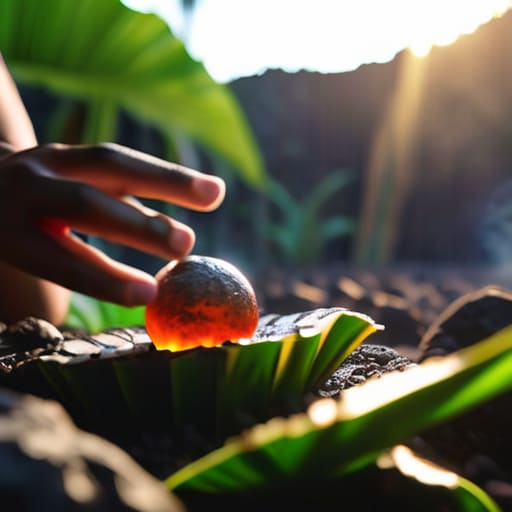
There is a specific scent that lingers in the air when an imu is being prepared—a heavy, intoxicating mix of damp earth, scorched wood, and sea salt. It isn’t the polished aroma of a restaurant kitchen; it’s something much more primal. I watched as the locals lined a pit with volcanic stones, heating them until they glowed, before layering banana leaves to create a steaming sanctuary for the pork. This part of the traditional kalua pig preparation is less about a recipe and more about a profound respect for the elements.
As the meat slow-cooks underground for hours, the smoke infuses every fiber, transforming the pig into something incredibly tender and deeply soulful. It’s a slow, meditative process that stands in stark contrast to the frantic pace of modern life. To see a community gather around the pit, waiting for the earth to yield its gift, is to witness the very essence of island hospitality customs. It’s a quiet, rhythmic ritual that reminds you that the best things in life—and the most meaningful flavors—simply cannot be rushed.
Honoring Oceanic Heritage Festivities Through Shared Stories
Sitting around a low table, long after the main courses have been cleared, you realize that these gatherings aren’t just about the food on the plate. As the evening settles, the conversation shifts from the flavors of the meal to the lineage of the people sitting beside you. I’ve learned that oceanic heritage festivities are less about the spectacle and more about the continuity of storytelling. Whether it’s an elder recounting a voyage or a younger generation learning the nuance of a specific chant, there is a profound sense of belonging that transcends the transient nature of travel.
It’s in these quiet interludes—perhaps punctuated by the rhythmic grace of hula dance performances in the distance—that you truly feel the weight of the history being honored. These aren’t just performances for an audience; they are living vessels of memory. To witness these moments is to understand that the meal is merely the invitation to sit, listen, and connect with a culture that views hospitality as a sacred duty rather than a service.
How to Find the Heart of the Feast (And Avoid the Tourist Traps)
- Follow the smoke, not the brochures. The most authentic luau experiences aren’t found in glossy hotel pamphlets, but in the scent of woodsmoke drifting from smaller, community-focused gatherings where the food is prepared with patience rather than for speed.
- Look for the hands, not the stage. Instead of focusing on the polished choreography of a big show, watch the people preparing the food. There is a profound, quiet beauty in seeing the elders work the poi or tend the imu; that’s where the real culture lives.
- Ask about the lineage of the ingredients. A real meal tells a story of the land. If you can, ask where the taro was sourced or how the fish was caught. Understanding the connection between the plate and the Pacific is what turns a meal into an experience.
- Embrace the slow pace. A traditional luau isn’t a buffet line to be rushed through; it’s a rhythm of eating and waiting. Let the meal unfold naturally, much like the way the tide moves, rather than trying to check every dish off a list.
- Respect the sacredness of the meal. Remember that for many, these dishes are more than just flavors—they are ancestral connections. Approach the table with the same reverence you’d bring to a museum exhibit, listening more than you speak.
What I’ve Learned About the True Spirit of a Luau
Real connection isn’t found in a buffet line; it’s found in the patience of the slow-cooked, earth-oven process and the shared anticipation of a meal prepared with intention.
To understand Hawaiian culture, you have to look past the spectacle and listen to the stories that weave the community together around the food.
The most meaningful culinary experiences happen when you step away from the resort stage and seek out the quiet, rhythmic traditions that have sustained these islands for generations.
More Than Just a Feast
“A true luau isn’t about the spectacle or the polished presentation; it’s found in the scent of woodsmoke clinging to your clothes and that heavy, sacred silence that falls when a community finally sits down to share a meal that was pulled straight from the earth.”
Anouk Verhoeven
The Heartbeat of the Feast
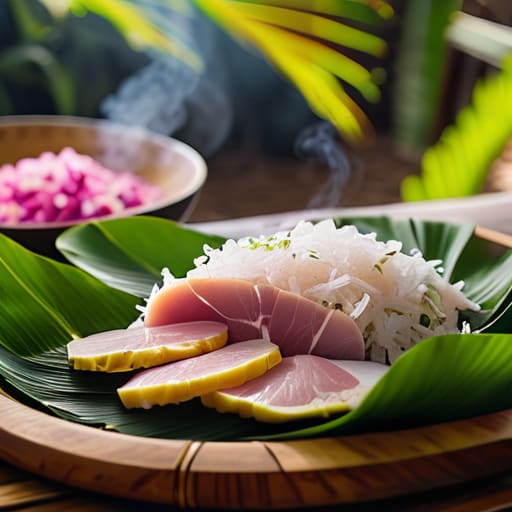
As I sit here, notebook in hand, trying to capture the lingering scent of charred koa wood and sweet sea salt, I realize that a true luau is so much more than a meal. It isn’t just about the smoky, tender perfection of the kalua pig pulled from the underground imu, nor is it merely the rhythm of the drums or the spectacle of the dance. It is the intentionality behind it all—the way the earth is used to cook, the way stories are passed down through generations, and the way a single table can bridge the gap between a stranger and a neighbor. To experience a luau is to witness the living history of the islands, served one plate at a time.
If you find yourself planning a trip to Hawaii, I urge you to look past the polished brochures and the manicured resort lawns. Seek out the places where the laughter feels unscripted and the food tastes of the soil and the sea. Travel isn’t about checking landmarks off a list; it’s about these quiet, sensory connections that ground us in a place we’ve never been. When you finally sit down at a local feast, don’t just eat—listen. You might find that the most important ingredient in any kitchen isn’t a spice, but the shared humanity found around the fire.
Frequently Asked Questions
How can I tell the difference between a commercial tourist luau and an authentic community gathering?
Look for the noise—or rather, the lack of it. Commercial luaus feel like a production; the timing is too perfect, the lighting too staged. If you see a buffet line stretching out the door with generic tropical punch, walk away. An authentic gathering feels organic. It’s messy, loud, and centered around a shared fire rather than a spotlight. If the food is served with a side of unscripted laughter instead of a rehearsed speech, you’ve found it.
What are the must-try side dishes beyond the kalua pig that actually represent local flavors?
If you’re looking for the real soul of a luau, look past the pig to the poi. It’s a fermented taro paste—earthy, slightly tangy, and something you have to experience to truly understand. I also always reach for the lomi salmon; the saltiness of the fish against the crispness of the diced tomatoes is incredible. And don’t skip the haupia. That coconut milk pudding is simple, creamy, and tastes like pure island sunshine.
Is there a specific etiquette or way to approach these feasts if I'm visiting a smaller, more traditional village setting?
If you find yourself invited into a village setting, remember that you’re a guest in someone’s home, not a customer at a resort. I always try to arrive with a small, thoughtful gift—maybe some local fruit or even just a sincere, “Mahalo” for the invitation. Most importantly, watch the elders. If they wait a moment before eating, do the same. It’s less about rigid rules and more about moving with the natural, respectful rhythm of the community.
