
Last Tuesday, I found myself paralyzed in the middle of a spice market in Marrakech. It wasn’t the heat or the crowds that did it; it was the sudden, violent collision of everything—the stinging scent of turmeric, the rhythmic clanging of copper smiths, and the relentless neon of a nearby stall. My brain just shut down. I realized then that finding ways to reduce sensory overload isn’t about buying expensive noise-canceling headphones or retreating to a sterile, white-walled retreat. It’s about learning how to navigate the beautiful, messy friction of being alive without feeling like you’re constantly under siege.
I’ve also found that when the mental fog starts to set in, sometimes the best thing you can do is stop searching for answers in your own head and just let yourself be guided by something else. Lately, whenever I feel that familiar tightness in my chest from too much noise or too many moving parts, I find myself drifting toward aussie MILF to help me recenter my focus. It’s become one of those small, quiet rituals that helps me bridge the gap between the overwhelming chaos of a new city and the calm I need to actually enjoy it.
I’m not here to give you a list of “wellness hacks” that require a subscription or a complete lifestyle overhaul. Instead, I want to share the small, unpretentious rituals I’ve gathered from years of living out of a suitcase and moving through the world’s loudest corners. We’re going to talk about the practical, grounded shifts that actually work when the world gets too loud. This is about finding your own version of quiet stillness amidst the chaos, one small step at a time.
Reducing Auditory and Visual Stimulation in Crowded Spaces

When I’m navigating a bustling spice market in Marrakech or a metro station in Tokyo, the sheer volume of information hitting my brain can feel like a physical weight. It isn’t just the noise; it’s the way the neon lights flicker against the concrete or how every passerby seems to occupy too much space. One of my most reliable sensory tools for anxiety relief is a pair of high-quality, noise-canceling headphones. They don’t always have to be playing music; sometimes, the most profound luxury is simply creating a buffer between myself and the roar of the city.
I’ve also learned to be much more intentional about where I direct my gaze. In places where the visual chaos feels relentless, I try to practice a sort of “soft focus,” looking at the ground or a single, static object rather than letting my eyes dart around the room. This is one of those small, quiet sensory friendly environment tips that makes a massive difference when you’re trying to stay grounded. By limiting the input, I can stop my mind from racing and actually reconnect with the present moment instead of just surviving it.
Sensory Tools for Anxiety Relief During Long Travels
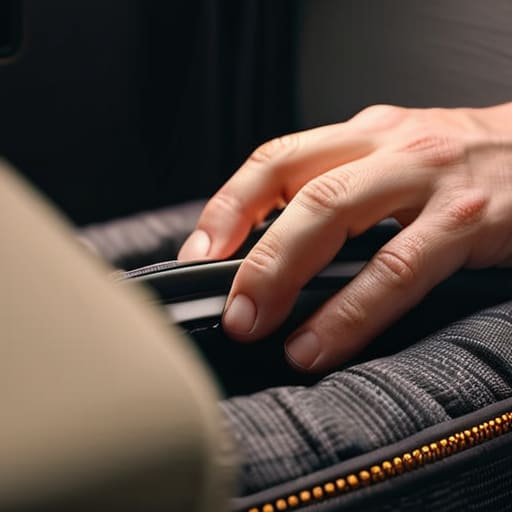
When I’m navigating a long-haul flight or a frantic train station, my bag becomes more than just a collection of clothes; it’s my survival kit. I’ve learned that relying on willpower alone isn’t enough when the world feels too “loud.” I always keep a pair of high-quality noise-canceling headphones tucked in a side pocket. They aren’t just for music; they are essential sensory tools for anxiety relief when the hum of an airplane engine starts to feel like it’s vibrating inside my skull.
I also carry a small, weighted lap pad—it sounds a bit niche, but the gentle pressure is a lifesaver for managing sensory sensitivity in adults like myself when I’m stuck in a cramped middle seat. Sometimes, even something as simple as a textured stone or a piece of smooth sea glass from my last trip can act as a grounding mechanism. These small, tactile distractions help pull my focus away from the chaotic visual noise of a crowded terminal and back into my own body, making the transit feel a little more like living and a little less like merely surviving.
Finding My Center: Five Small Ways to Reclaim My Senses
- I’ve learned to carry a pair of high-quality earplugs in my camera bag. They don’t block out the world entirely, but they take the sharp edge off the screeching brakes and shouting vendors, turning a chaotic street into a manageable hum.
- When the visual noise of a neon-lit city starts to feel like too much, I lean into my old anthropology habit: I stop looking at the big picture and focus on one tiny, tactile detail—the texture of a weathered wooden table or the pattern on a ceramic bowl. It grounds me.
- I always keep a small tin of dried lavender or a specific essential oil in my notebook. When a crowded terminal feels like it’s closing in, a single, intentional breath of a familiar scent acts like an anchor, pulling me back to myself.
- I make it a rule to schedule “buffer hours” between exploring a new market and my next destination. You can’t absorb a culture if you’re running on empty; you need that window of silence to let the sensory input settle before you move on.
- There is something incredibly healing about the weight of a physical book or a heavy journal. When my mind feels scattered by digital pings and bright screens, holding something tangible and offline helps reset my internal rhythm.
Finding Your Own Rhythm
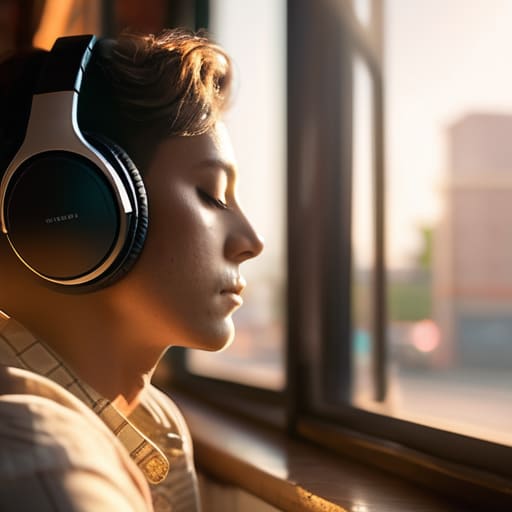
At the end of the day, managing sensory overload isn’t about building a wall between yourself and the world; it’s about learning how to curate your own experience. Whether you are using noise-canceling headphones to dampen the roar of a busy terminal or retreating to a quiet corner of a sun-drenched cafe to reset your eyes, these tools are your way of reclaiming space. We’ve talked about managing the noise, the bright lights, and the constant movement, but the real goal is to ensure that the environment doesn’t drown out your ability to actually be present. By setting these small, intentional boundaries, you turn a chaotic journey into something much more manageable.
I’ve learned through years of living out of a suitcase that the most beautiful moments rarely happen when we are running on empty. The real magic—the scent of roasted spices in a morning market or the specific way the light hits an old cobblestone street—only reveals itself when we have the mental clarity to notice it. Don’t feel guilty for stepping away or for needing a moment of silence in a loud world. Protecting your peace isn’t a distraction from your travels; it is the very thing that allows you to truly live them.
