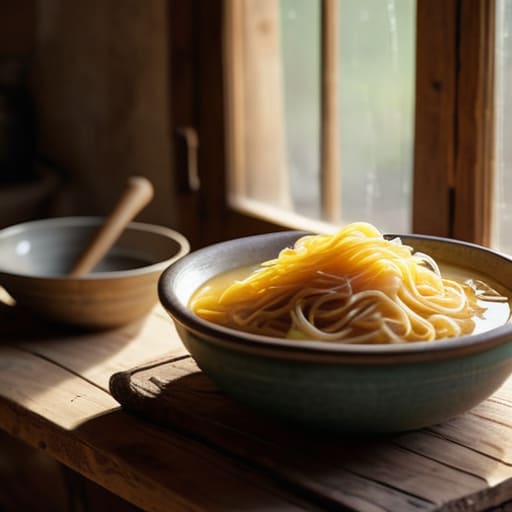
I was sitting on a plastic stool in a rain-slicked alley in Hanoi last November, my notebook damp in my lap, when the scent of star anise and charred ginger hit me so hard it felt like a physical memory. It wasn’t some curated, Michelin-starred interpretation of Southeast Asian cuisine; it was just a woman in a faded apron stirring a massive, dented pot of broth. That’s when it clicked: we spend so much time chasing “authentic” culinary experiences in glossy magazines, yet we completely miss the actual comfort food traditions that sustain people through the grit of daily life. Real comfort isn’t a gimmick or a high price tag; it’s the unpretentious warmth of a recipe passed down through generations, served in a bowl that’s seen better days.
I’m not here to give you a list of the world’s most expensive “soul foods” or guide you toward the tourist traps that try to package culture into a pretty Instagram shot. Instead, I want to take you into the backstreets and the home kitchens where the real stories live. We’re going to look past the hype to find the quiet, honest rituals that define how people actually find solace in what they eat.
Table of Contents
Sensory Triggers of Nostalgia in a Local Cafe
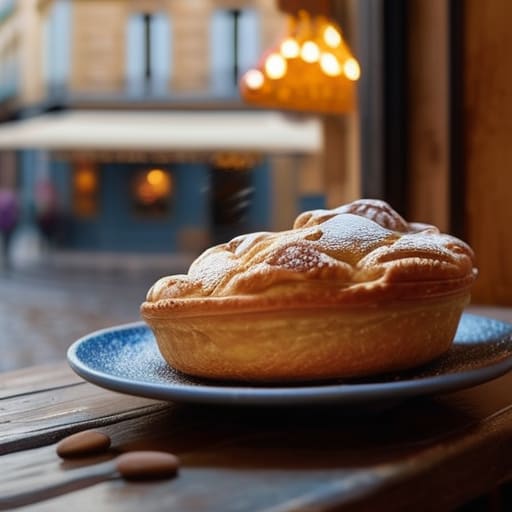
There is a specific kind of magic in the way a small cafe can shrink the world. Last week, while tucked into a corner booth in a rain-slicked alley in Lyon, I realized it wasn’t just the warmth of the radiator that was grounding me. It was the scent—a heavy, sweet collision of burnt sugar and toasted flour. These are the sensory triggers of nostalgia that bypass the brain and go straight to the gut. You aren’t just tasting a pastry; you are inhaling a memory that might not even be yours, yet feels intimately familiar.
I watched the barista work with a rhythmic, unhurried grace, using traditional home cooking techniques that felt like a quiet rebellion against the rush of the modern street outside. There is a profound emotional connection to food that happens in these spaces. When a cafe relies on a recipe passed down through three generations rather than a standardized manual, the food carries a weight. It’s more than sustenance; it’s a tangible link to a lineage, served up on a chipped ceramic plate.
Tracing Culinary Heritage and Identity Through Every Bite
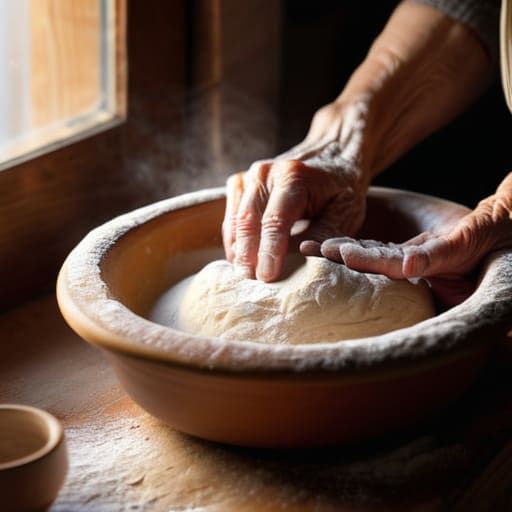
It’s easy to look at a plate of food as just fuel, but when I sit in a cramped kitchen in Oaxaca or a dim basement in Berlin, I realize I’m actually looking at a living map. Every spice blend and slow-simmered sauce is a piece of culinary heritage and identity that has survived through sheer stubbornness. These aren’t just meals; they are the edible remains of migrations, wars, and celebrations. When a grandmother refuses to use a measuring spoon, relying instead on the “feel” of the dough, she isn’t just cooking—she is practicing a form of family recipe preservation that keeps her ancestors’ voices alive in a modern, fast-paced world.
I’ve noticed that the most profound stories don’t come from cookbooks, but from the way a specific scent can bridge the gap between who we are and where we came from. There is a deep, almost visceral emotional connection to food that happens when a dish tastes exactly like a childhood memory. It’s a way of anchoring ourselves when everything else feels temporary. For many, these flavors are the only constant in an ever-changing landscape.
How to Find the Real Soul of a City’s Kitchen
- Look for the “grandmother effect.” If you see a small, unassuming shop where the menu is handwritten and the patrons are mostly older locals, you’ve likely found a place where recipes are treated as heirlooms rather than commodities.
- Follow your nose, not your phone. I always keep my notebook ready for the smells of a market, but your nose is your best guide. Avoid the places with bright, neon signage; look for the heavy, savory steam drifting from a side alley or a basement window.
- Ask about the “why,” not just the “what.” When you’re sitting at a counter, ask the cook what this dish reminds them of. You’ll find that the best comfort foods aren’t just about ingredients; they are stories of survival, celebration, or a specific season.
- Embrace the lack of polish. Real comfort food rarely comes plated with tweezers and microgreens. If the table is a bit wobbly and the broth is served in a chipped ceramic bowl, you’re likely in the right place. Perfection is for tourists; soul is for the locals.
- Observe the rhythm of the meal. Watch how people eat. Is it a quick, functional bite between chores, or a slow, communal ritual? Understanding the pace of a meal tells you more about a culture’s relationship with food than any guidebook ever could.
What I’ve Learned from the Table
Real culture isn’t found in a guidebook; it’s tucked away in the steam of a street stall or the specific way a grandmother stirs a pot in a quiet neighborhood kitchen.
Food is our most intimate connection to the past, acting as a living map of where our ancestors traveled, what they survived, and what they cherished.
To truly travel, you have to stop being a spectator and start being a guest—slow down, eat what the locals eat, and let the flavors tell you the story of the place.
The Language of the Kitchen
“We often look for history in museums or old monuments, but I’ve found it’s much more alive in the steam rising from a shared pot of stew; comfort food isn’t just about satiety, it’s the way a culture whispers its secrets to you through a recipe passed down by necessity and love.”
Anouk Verhoeven
The Taste of Coming Home
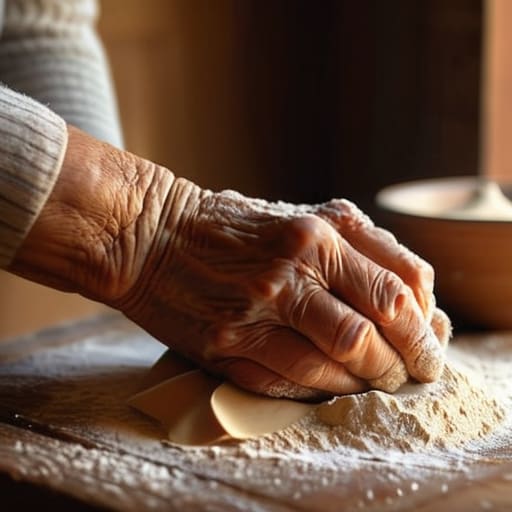
At the end of the day, comfort food is so much more than just a way to satisfy hunger; it is a living, breathing map of who we are. We’ve seen how a specific scent in a crowded market can instantly transport us back to childhood, and how a single recipe can act as a vessel for an entire culture’s history. Whether it’s the precise way a grandmother folds dough or the specific spice blend used in a neighborhood stall, these traditions are the threads that stitch our personal identities to the wider world. They remind us that even when we are far from home, the flavors we carry with us keep our roots intact.
So, the next time you find yourself in a new city, I encourage you to skip the polished menus and the white tablecloths. Instead, look for the steam rising from a sidewalk window or the small, unassuming kitchen where the locals gather. Seek out those quiet, unscripted moments of connection that happen over a shared bowl or a simple cup of tea. Traveling isn’t just about checking landmarks off a list; it is about finding the soul of a place through its most humble offerings. After all, we don’t just eat to live—we eat to truly belong.
Frequently Asked Questions
How can I distinguish between a genuine local comfort food and a dish that's been modified just to cater to tourists?
Look for the lack of English on the menu—or better yet, no menu at all. If you see a dish being served in a way that feels “sanitized” or overly presented, step back. Genuine comfort food is often messy and unapologetic. I always look for the places where the seating is a bit cramped and the rhythm of the service feels rushed; if the locals are eating it quickly and loudly, you’ve found the real thing.
Is it possible to find a sense of "home" in a cuisine that is completely foreign to my own upbringing?
I think about this every time I land in a new country. At first, everything feels alien—the spices, the textures, the rhythm of the meal. But then, you find that one specific flavor, maybe a charred crust or a certain warmth in a broth, that bypasses your brain and goes straight to your chest. It’s not about the ingredients; it’s about the feeling of being cared for. You realize “home” isn’t a place, but a sensation.
How much does the physical environment of a market or cafe actually change the way we experience the nostalgia of a meal?
It changes everything. You can eat the exact same dish in a sterile, air-conditioned mall, but it won’t feel like home. For me, it’s the friction of the environment—the way the humidity of a crowded market clings to your skin or the specific hum of a chipped espresso machine in a dim cafe. Those sensory layers act like a frame for the food; they ground the flavor in a specific moment, turning a simple meal into a memory.
