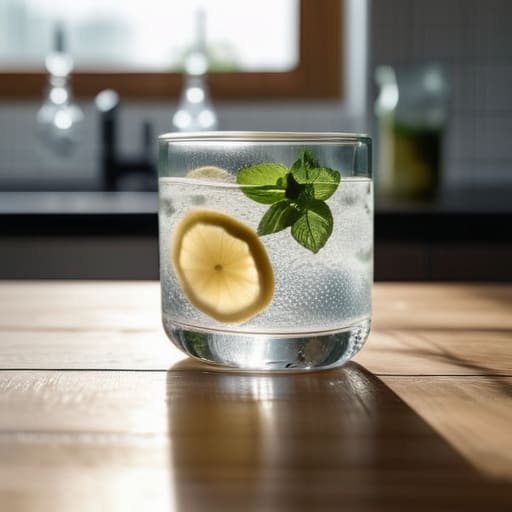
I was standing in the middle of a sun-drenched market in Oaxaca last July, the air thick with the scent of roasted chilies and damp earth, when the world suddenly started to tilt. My head throbbed, and my focus blurred, not because I was sick, but because I had spent the morning chasing perfect light for my film camera and completely ignored my body’s basic needs. I had been following those generic, clinical hydration strategies you see in wellness blogs—chugging liters of lukewarm tap water like it was a chore—instead of actually listening to what the environment was demanding of me. It turns out, sitting in a humid, bustling plaza requires a much more nuanced approach than just forcing down plain water.
I’m not here to sell you on expensive electrolyte powders or high-tech smart bottles that promise to revolutionize your life. Instead, I want to share what I’ve learned from years of living out of a suitcase and navigating climates that range from bone-dry deserts to tropical humidity. We’re going to talk about the real, sensory ways to stay balanced, from the ritual of local infusions to the simple art of eating your water through seasonal fruits. This is about finding a rhythm that works with the world around you, not fighting against it.
Table of Contents
Listening to Your Bodys Quiet Signs of Dehydration
When I’m navigating a humid night market in Bangkok or trekking through a dry coastal village, I’ve learned that my body usually speaks long before I feel a true sense of thirst. It starts with those subtle, almost annoying shifts—a slight tightness in my temples or a sudden, inexplicable dip in my energy levels. We often wait until we’re parched to reach for a bottle, but by then, we’ve already missed the early signs of dehydration. I’ve started treating these sensations like a compass; a foggy brain or a sudden craving for something salty is my body’s way of saying the internal rhythm is off.
It isn’t just about gulping down liters of plain water, either. I’ve noticed that when I’m moving constantly, just drinking more liquid doesn’t always hit the mark. I have to pay attention to my electrolyte balance to ensure that the water I’m drinking actually reaches my cells. If I’m feeling sluggish despite drinking plenty, it’s usually a sign that I need more than just H2O—I need those minerals that keep everything functioning smoothly. Learning to read these quiet cues has changed how I travel; I no longer wait for the crisis, I just listen.
Mastering Optimal Daily Water Intake Through Daily Rituals
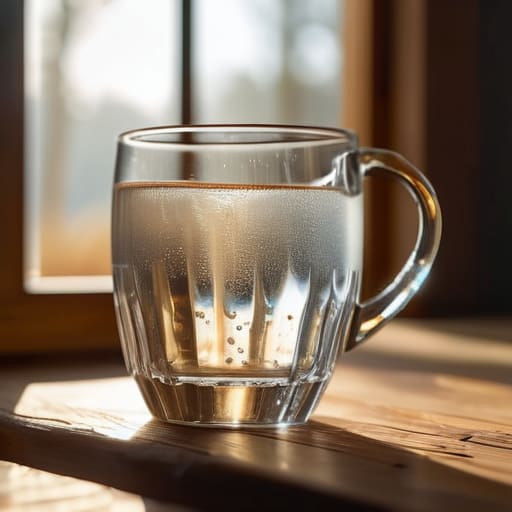
I’ve found that the most sustainable way to manage my optimal daily water intake isn’t through a rigid, clinical schedule, but through small, sensory anchors throughout the day. When I’m navigating a humid market in Southeast Asia or a dry, windy afternoon in the high desert, I don’t wait for thirst to strike. Instead, I tie drinking to my existing rhythms. I start every morning with a large glass of room-temperature water before my coffee—a quiet moment of preparation before the chaos of the day begins.
I also lean heavily into seasonal, food-based hydration. Rather than just chugging plain water, I look for what the local landscape offers. A slice of salted watermelon or a bowl of chilled cucumber soup does more than just quench thirst; it helps maintain a natural electrolyte balance that plain tap water sometimes lacks. It feels less like a chore and more like a way to stay tethered to my surroundings. By treating hydration as a series of small, intentional rituals—like a specific ceramic cup I carry or a mid-afternoon herbal infusion—it stops feeling like a task and starts feeling like self-care.
Small Sips and Local Finds: My Field Guide to Staying Fluid
- Skip the lukewarm tap water in unfamiliar cities; instead, seek out the local vendors selling fresh, pressed coconut water or chilled infusions of hibiscus. It’s not just about the hydration, but the way the local flavors ground you in the heat.
- Carry a reusable flask that actually fits in your day bag, but don’t just rely on plain water. I like to drop a slice of cucumber or a sprig of mint into mine—it makes the act of drinking feel like a ritual rather than a chore.
- Treat your meals as hydration checkpoints. In many cultures, soups and stews are staples even in warmer weather, and they are a beautiful, savory way to replenish your fluids while sitting in a shaded corner of a bustling market.
- Watch the salt, but don’t fear it. When I’m walking miles through cobblestone streets, I look for small snacks like olives or salted nuts. They help your body actually hold onto the water you’re drinking, rather than just passing it straight through.
- Learn the rhythm of the local tea culture. Whether it’s a bitter Yerba Mate in South America or a delicate jasmine tea in an East Asian courtyard, sitting down for a warm drink can actually help regulate your body temperature and signal to your brain that it’s time to slow down.
Keeping Your Rhythm in Motion
Stop waiting for thirst to strike; treat hydration like a slow, intentional ritual—perhaps a glass of water before your morning coffee or a coconut during a midday market stroll—to keep your energy steady.
Pay attention to the subtle shifts in your body, like a sudden fog in your brain or a dip in your mood, as these are often your body’s way of asking for more than just a quick gulp of water.
Look beyond the plastic bottles and find flavor in the local landscape, whether it’s infusions of fresh mint from a street vendor or sitting in a shaded courtyard with a tall glass of iced tea.
Beyond the Plastic Bottle
“True hydration isn’t about hitting a clinical number on a fitness tracker; it’s about learning the rhythm of your surroundings—knowing when to seek out a chilled glass of mint tea in a shaded courtyard or a burst of juice from a roadside fruit stall to keep your spirit as replenished as your body.”
Anouk Verhoeven
Staying Present, One Sip at a Time
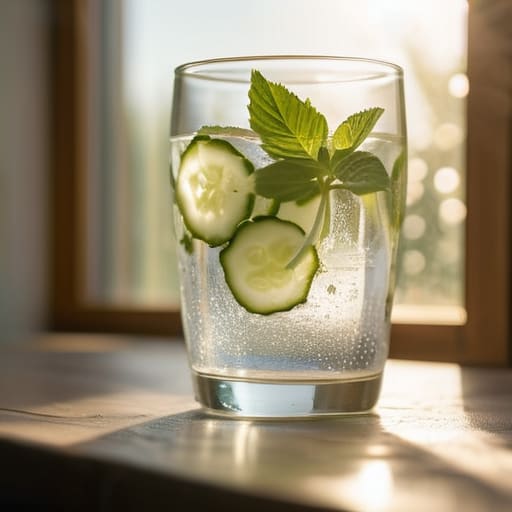
At the end of the day, staying hydrated isn’t about following a rigid, clinical checklist or forcing down liters of lukewarm tap water just because an app told you to. It’s about reconnecting with your own rhythm. Whether you are learning to interpret those subtle, quiet signals your body sends when you’re feeling sluggish, or you are building small, meaningful rituals around your morning tea or a midday glass of infused water, the goal is the same: sustained presence. When we treat hydration as a way to honor our physical selves rather than a chore to be checked off, it ceases to be a struggle and becomes a natural part of our daily flow.
As I move from one city to the next, I’ve realized that how we care for our basic needs dictates how much of the world we can actually absorb. You can’t truly taste the complexity of a street-side broth or feel the energy of a crowded morning market if you are running on empty and clouded by a headache. So, as you head out into the world today, don’t just carry a bottle; carry an intention. Seek out the local flavors that refresh you, find shade when the sun gets heavy, and remember that taking care of yourself is the very thing that allows you to truly experience the beauty of everywhere else.
Frequently Asked Questions
How can I tell if the local tap water is safe to drink, or should I be sticking strictly to bottled or filtered options?
This is the question that keeps me up at night in new cities. Honestly, I never trust the tap blindly. My rule of thumb? If the locals aren’t drinking it straight from the faucet, neither am I. I always check with my hosts or look for a filtered water station in small cafes first. If I’m unsure, I stick to bottled or even boil my own. It’s better to be cautious than to spend my trip sidelined by a stomach bug.
Are there specific local fruits or seasonal drinks in this region that are better for hydration than just plain water?
Honestly, plain water is fine, but if you want to feel truly connected to the landscape, look for what’s growing locally. In these humid coastal stretches, I always hunt for fresh coconut water; it’s nature’s perfect electrolyte solution. If you’re in a bustling market, find a vendor slicing watermelon or dragon fruit. There’s something about the ritual of eating seasonal, water-rich fruit that makes hydration feel less like a chore and more like a discovery.
How do I maintain my hydration levels when I'm constantly on the move and navigating busy, humid street markets all day?
When I’m weaving through the humid chaos of a morning market, I stop looking for “hydration” as a chore and start looking for it as a flavor. Skip the lukewarm plastic bottles. Instead, look for the vendors slicing chilled watermelon or the small stalls serving salted coconut water—the electrolytes are a lifesaver. I always keep a reusable flask tucked in my bag, but I find the real magic is in those small, intentional sips of something local.
